Sep 28, 2026
Case Study: Developing a Pleated Tennis Skirt
A real development project from our Guangzhou partner floor: how a pleated tennis skirt goes from pattern and pleat engineering to curved-seam sewing, QC and export packing - with photos and footage.
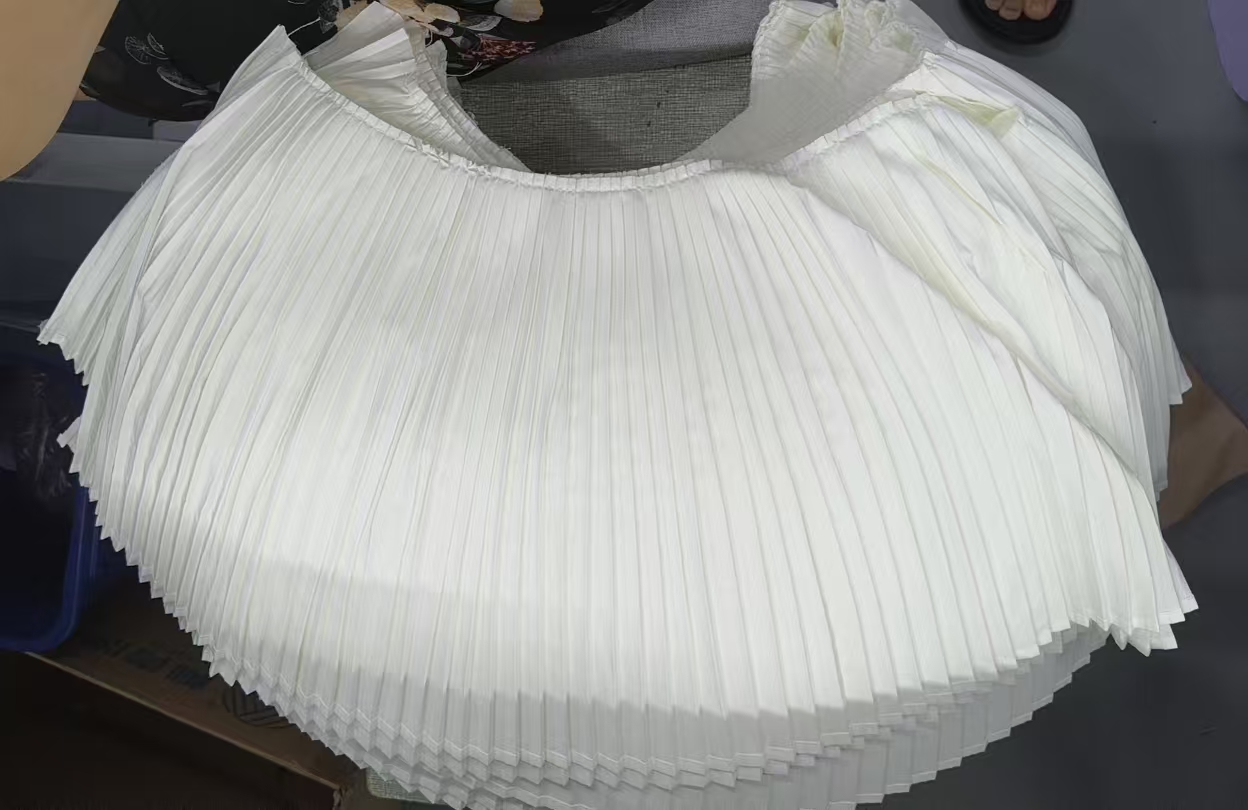
A pleated tennis skirt looks simple and is anything but. The pleats must hold their shape through washing, every arc must land identically across the run, and the waistband must sit flat while the skirt swings. This case walks through a real development project - pattern, pleat forming, curved seams and QC - with photos and footage from the workshop floor in Guangzhou.
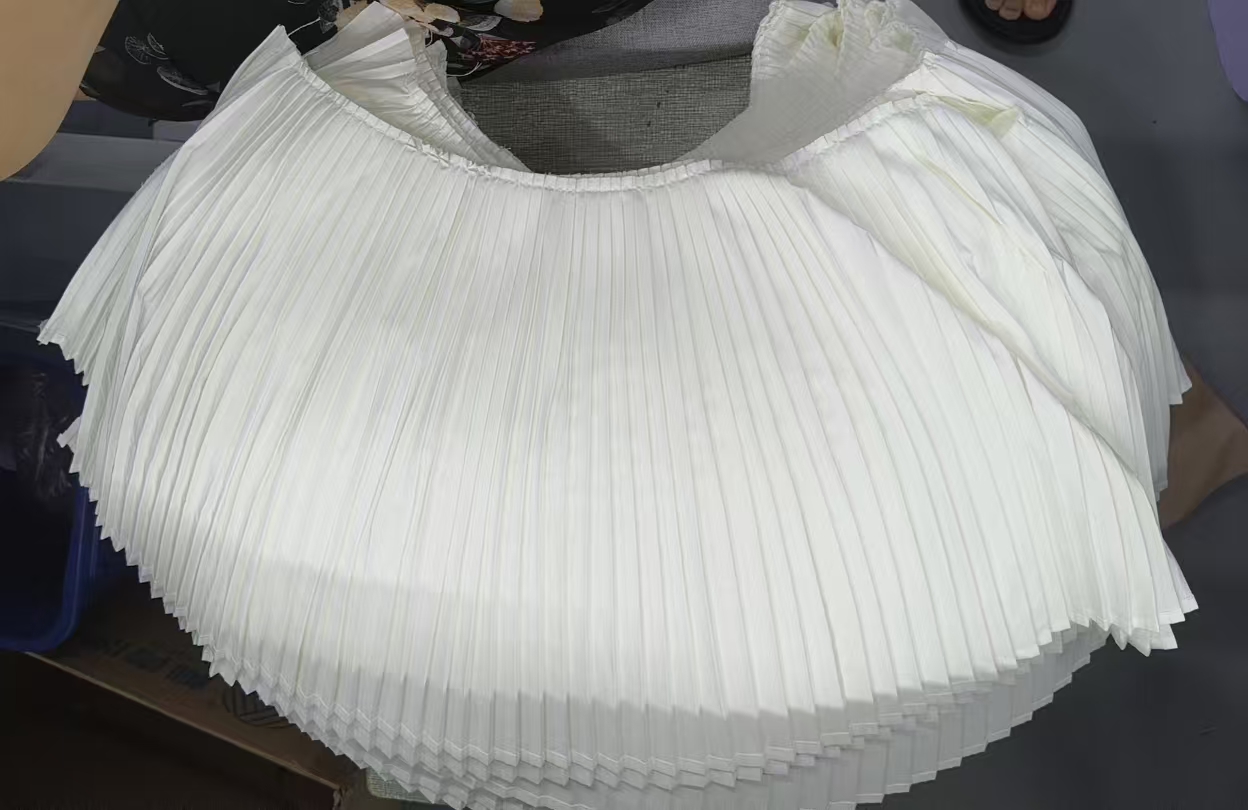
Stage 01: Pattern and Pleat Engineering
Pleat count, depth and direction are decided at the pattern stage, because they determine fabric yield and the pressing program. For this skirt we engineered the pleats to survive washing by heat-setting on curved templates - forming the shape before sewing rather than hoping a wash cycle sets it later. The same retained-swatch discipline applies to skirts exactly as it does to leggings, and the spec fields are the ones covered in the fabric spec sheet guide.
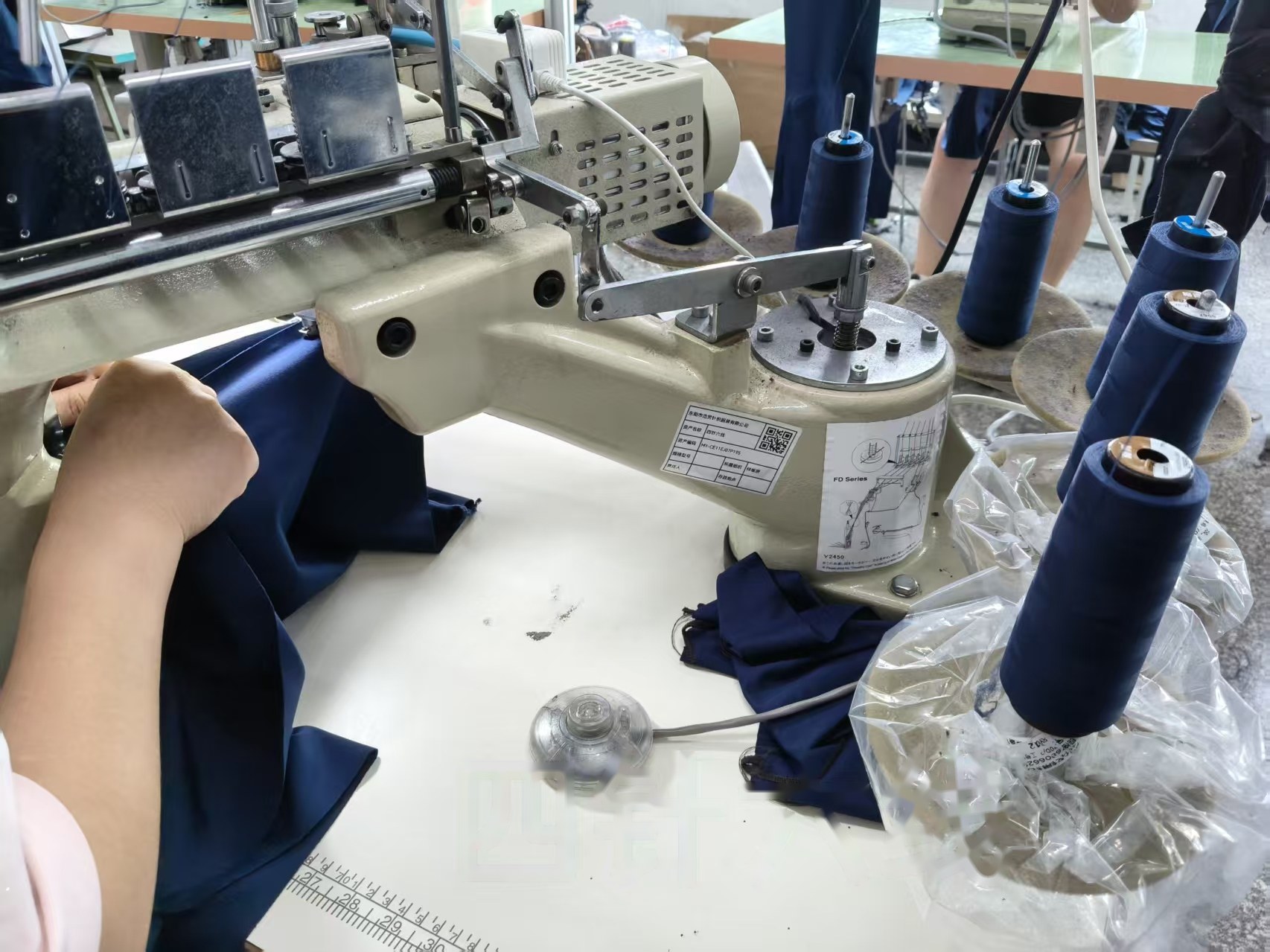
Stage 02: Pleat Forming on Curved Templates
The pleats are pressed in stations of curved templates - shape first, then sewing. Forming before sewing is what keeps the hem swing even after months of wear and washes.
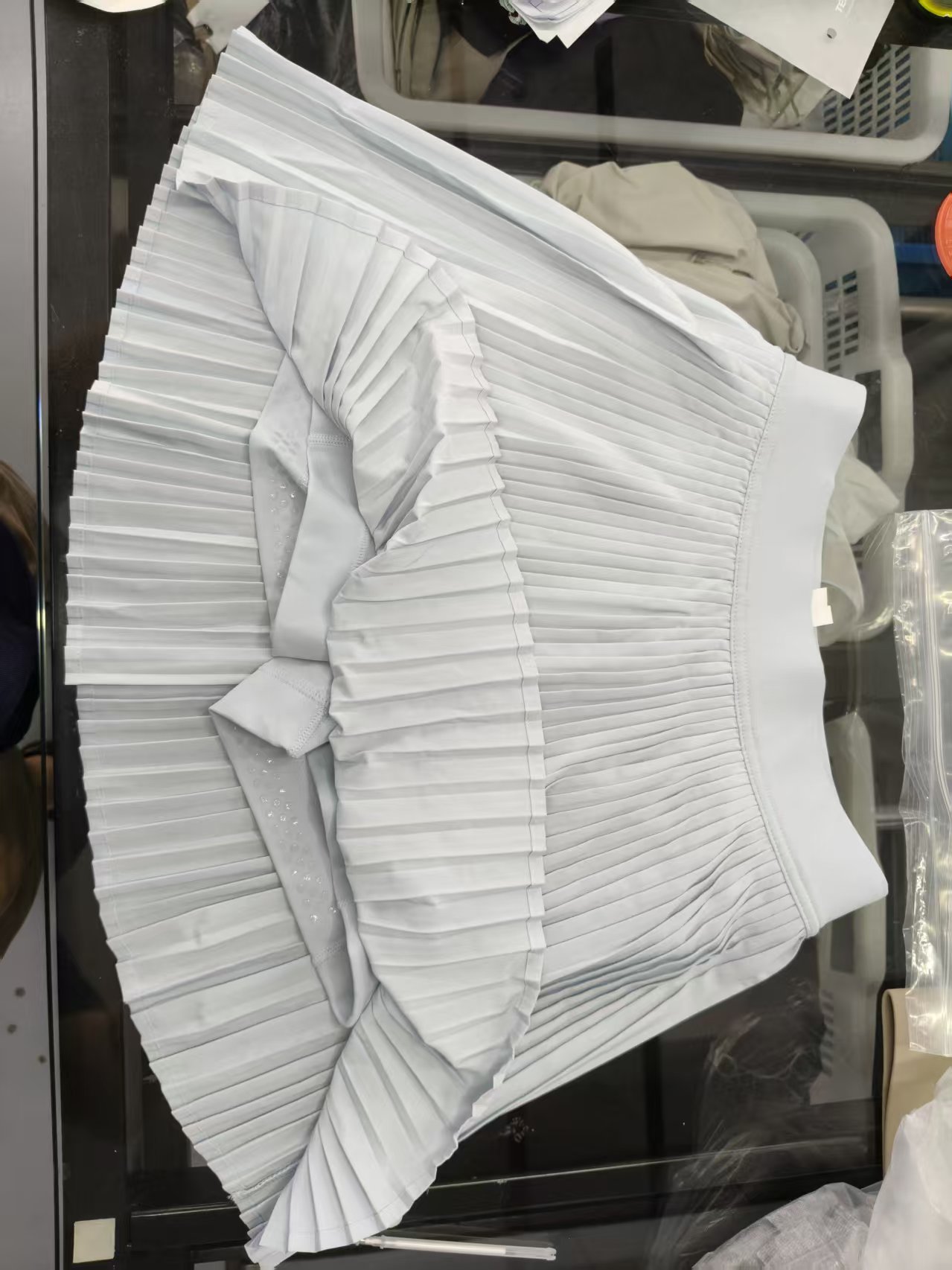
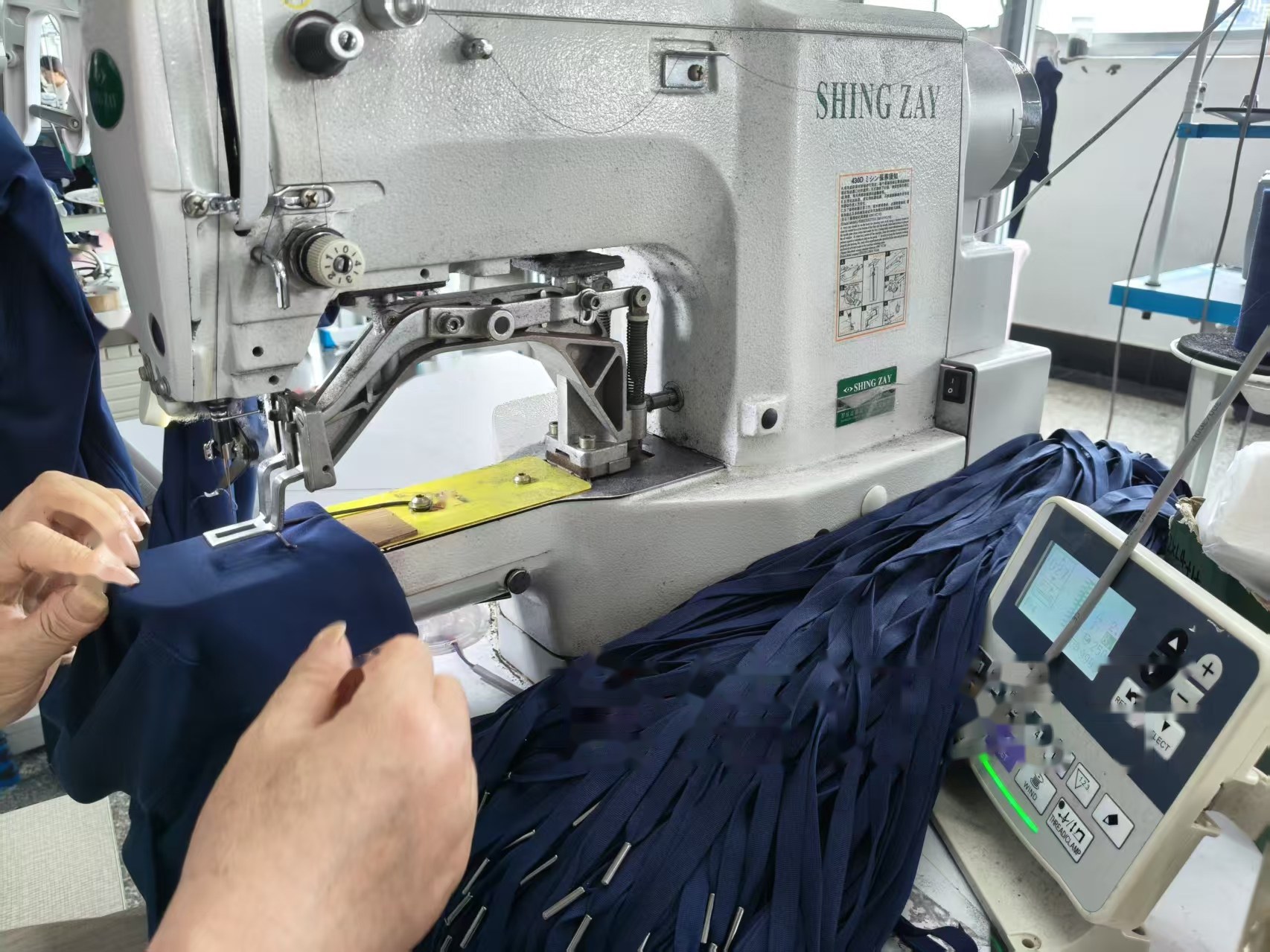
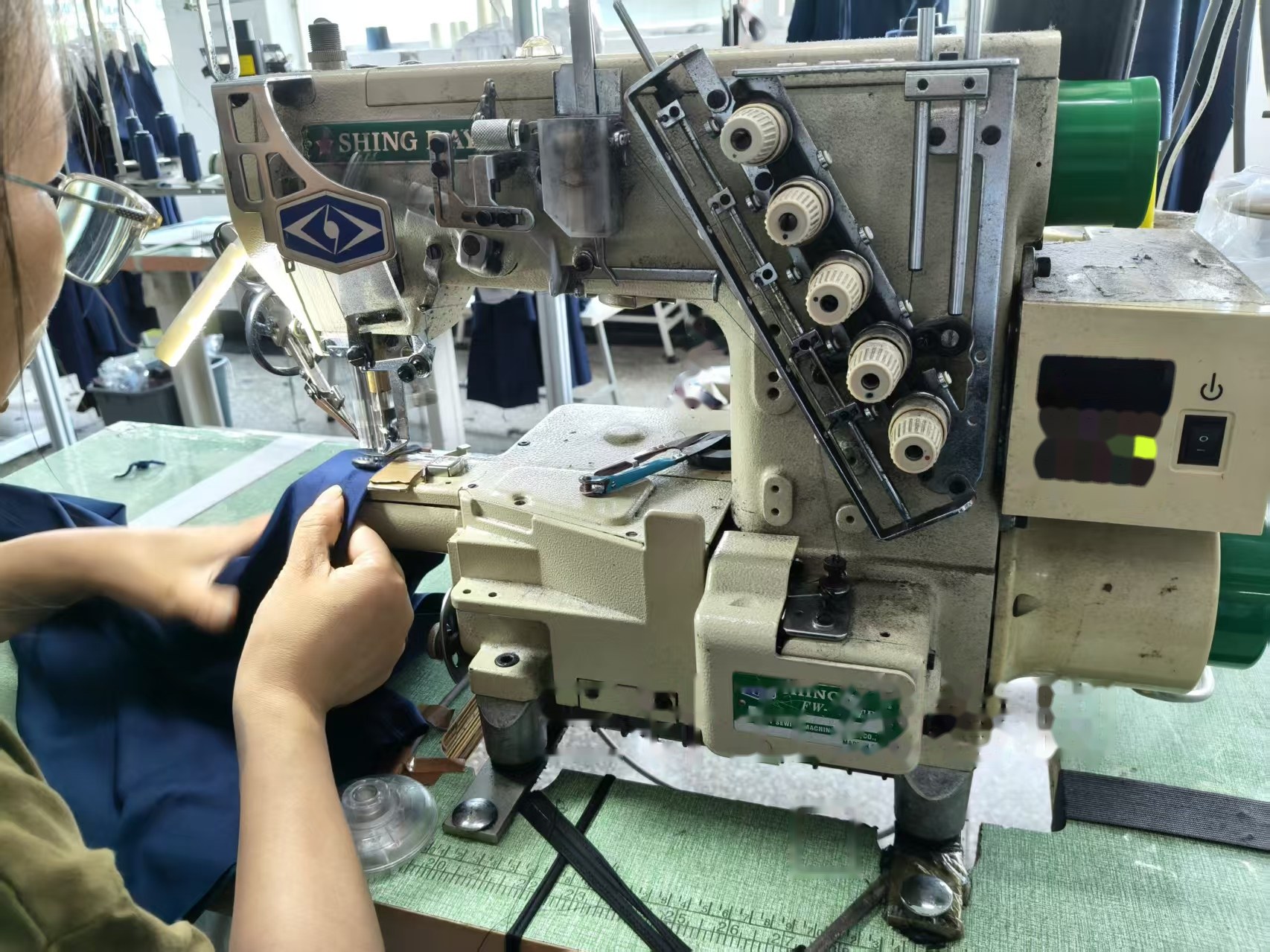
Stage 03: Curved Guide-Rail Sewing
Every arc on the skirt - the hem, the waistband curve - is sewn on guide-rail machines so piece two hundred matches piece one. The waistband is the most fit-sensitive part: curved-seam sewing with bartack reinforcement at the stress points.
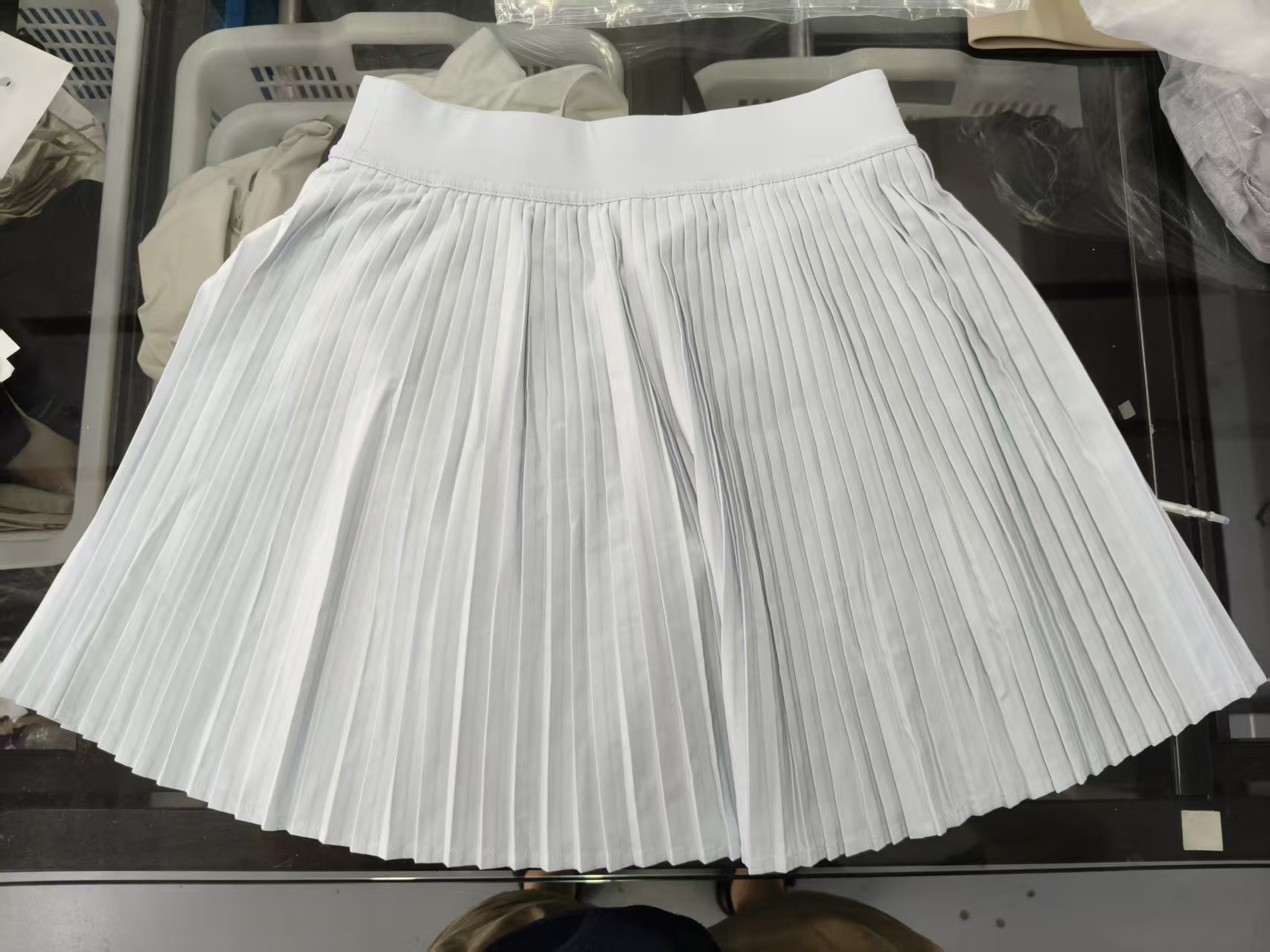
Stage 04: QC and Export Packing
Each skirt passes a pleat-alignment check, a waistband flatness check and a daylight see-through check before packing. Finished pieces are steam-finished, tagged and polybagged to the brand's spec - the same packing standard every Miss K order ships with.
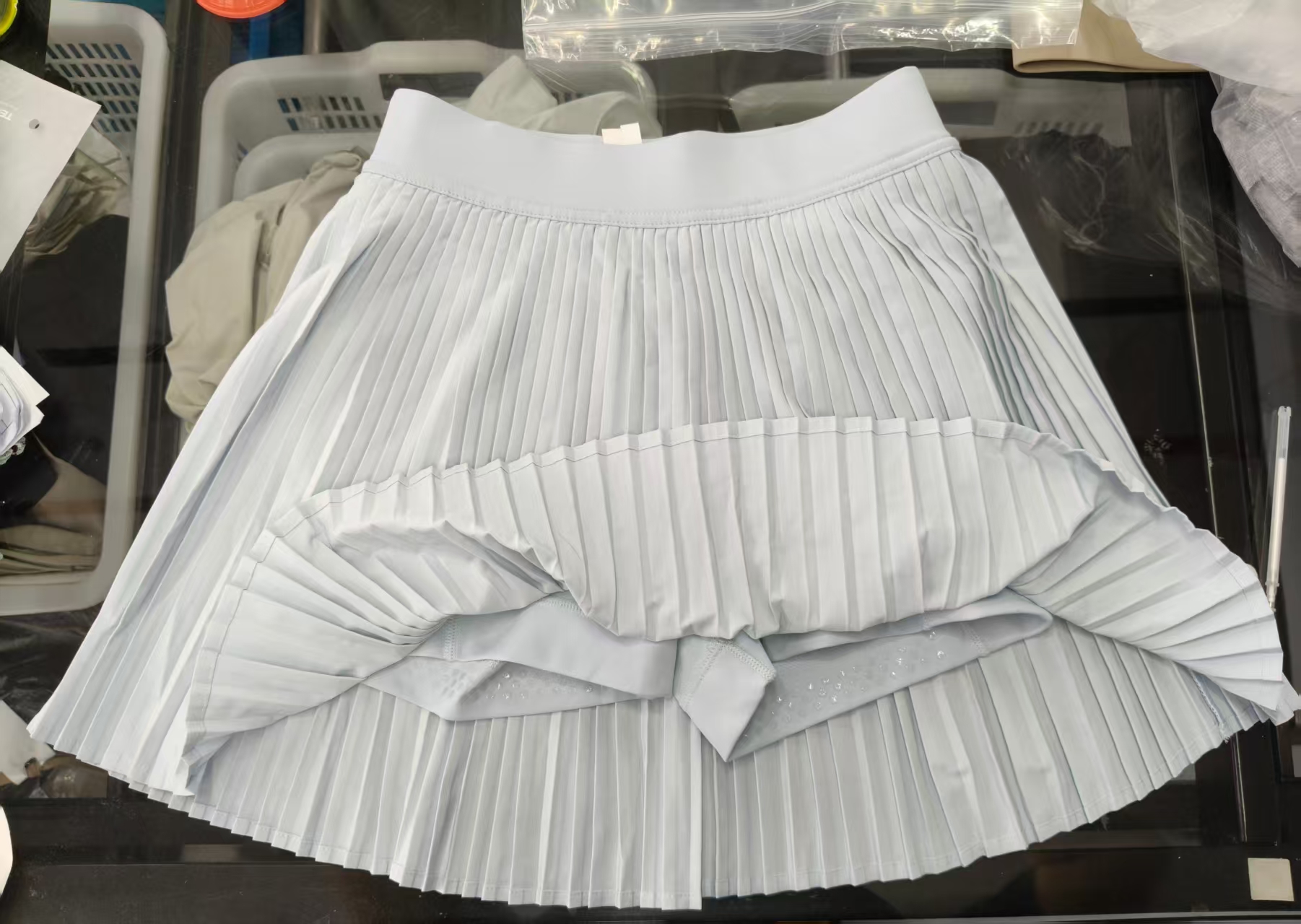
Watch the Full Process
The complete production run is on camera: watch the whole process in 23 seconds on YouTube, or browse the workshop footage on the how-we-work page - cutting, pleat forming, flatlock seams and packing, all filmed on the floor.
MOQ, Timelines, and What It Costs
MOQ for pleated styles runs 800-1000 pcs per color, in line with our hero program. Sampling takes 5-7 days; bulk production runs 15-25 days after sample approval. Pleated styles price above basic leggings because of the forming and sewing steps - and they sell at a higher retail multiple, which is why brands add them as the statement piece of a collection.
Develop Your Own Style
This skirt started the way every Miss K project starts: a style brief, a development route and a sampling round. Semi-custom and full custom development run through the same process you just saw. Bring us a reference or a sketch on the custom development page - or write to info@misskyoga.com / WhatsApp +86 136 4085 9182 and tell us who your customer is.