Oct 8, 2026
From Sample to Bulk: How Factories Keep Quality Consistent
MIN TEST
Here is the uncomfortable truth about your approved sample: it was made by the most experienced machinist in the building, checked by everyone, and touched with care. Bulk production is hundreds of pieces across many operators, multiple cutting lays and real deadlines. Keeping piece four hundred identical to the sample is not luck - it is a system, and you are entitled to ask what the system is.
These are the five mechanisms that do the work, and how to verify each one without moving to China.
Mechanism 1: The Golden Sample
At bulk approval, one sealed sample becomes the physical standard - the golden sample. Every dispute about what matches the approved sample means resolves against this object, not against a photo or a memory. Ask whether a golden sample is retained per order, and ask for photos of it signed and dated. The retention habit is the garment version of the retained fabric swatch rule.
Mechanism 2: In-Line Inspection
The cheapest place to catch a defect is the machine that caused it. In-line QC means the first piece off each operation is checked against the sample before the batch runs, and supervisors patrol lines at intervals. A factory that only inspects at the end discovers problems after hundreds of pieces have been made; a factory that inspects in line discovers them after one. Ask which system runs and how often supervisors check.
Mechanism 3: Measurement Sampling From Cartons
At packing, pieces are pulled at random across cartons and sizes, and measured against the spec: waistband height, inseam, key girth points. Random sampling across the run catches what in-line checks miss - drift. Cutting lays, machine tension and operator changes all cause slow drift that only statistical sampling reveals. The measurement points are the same ones from your spec table, which is one more reason the tech pack deserves real numbers.
Mechanism 4: Fabric Lot Control
Fabric varies between production lots even from the same mill. The controls: a retained swatch from your approved lot referenced at bulk booking, rolls checked for shade and weight on arrival, and lays numbered so a problem traces to its roll. This is the factory-side half of the fabric verification you already do on your side at sampling.
Mechanism 5: Machine and Operator Discipline
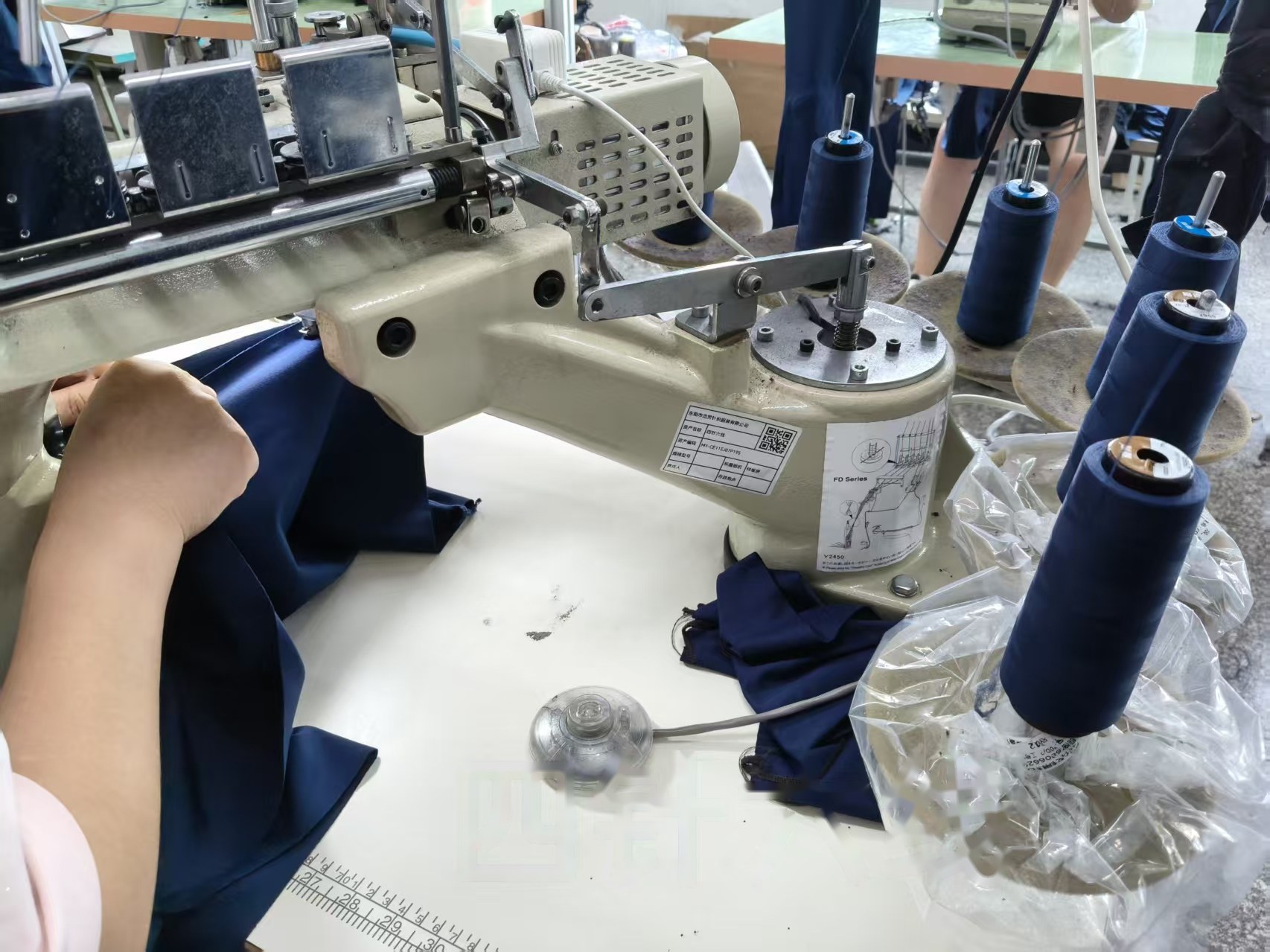
Tension calibrations, needle change schedules and operator specialization - premium pieces run on the operators who specialize in them. You saw this in the flatlock and coverstitch footage from the factory tour: specific machines, specific hands. Ask how operators are assigned to premium construction; the answer separates a workshop from a factory.