Sep 30, 2026
Size Grading Beyond S-L: Inclusive Activewear Basics
What size grading actually is, the four grade decisions that make extended sizing work, and why a size 3XL cannot just be a stretched size M - the basics inclusive brands get right.
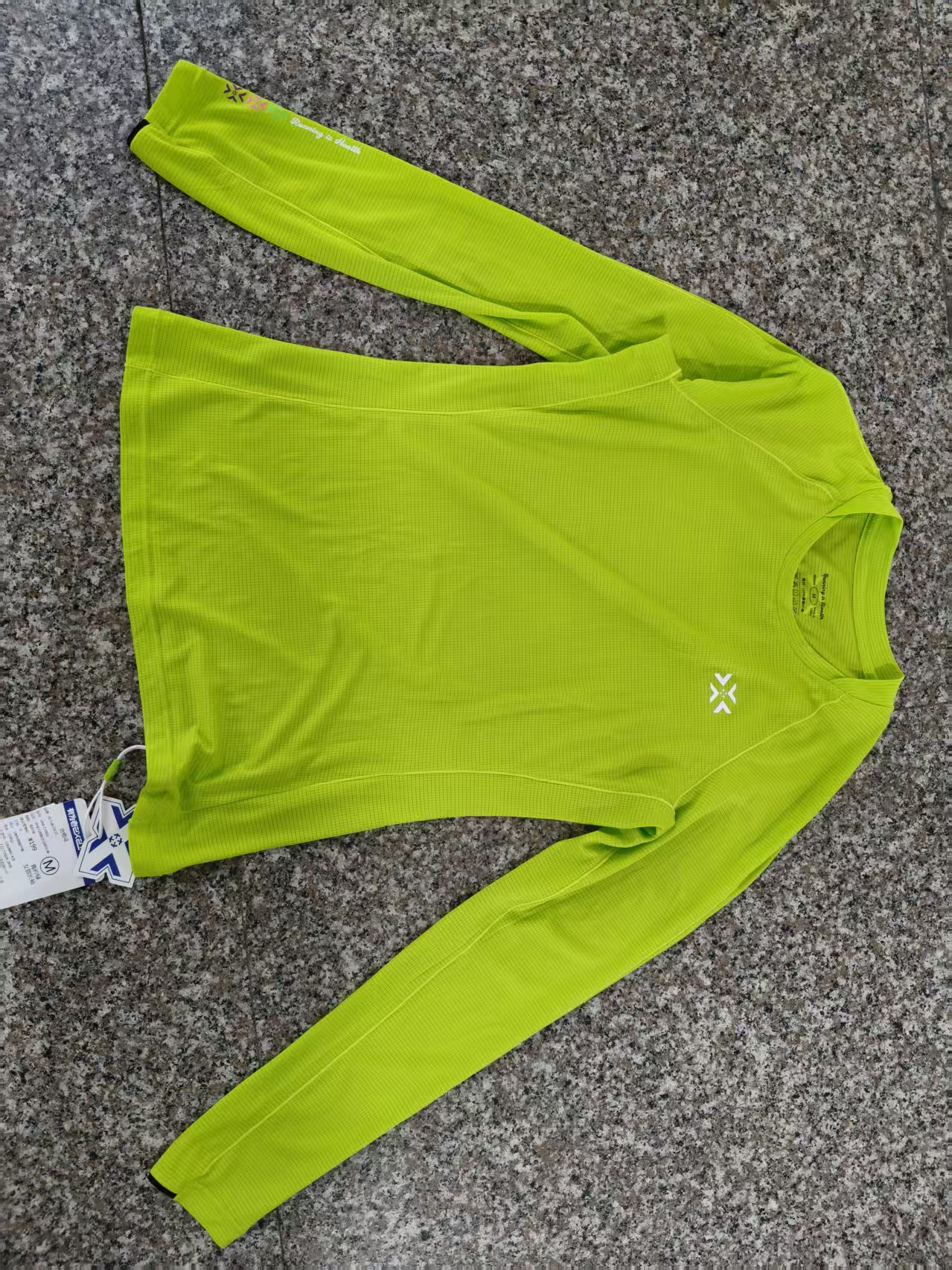
Most activewear brands say they are inclusive. What they actually did was take a size M pattern and press it harder against a copier. A size 3XL legging made that way does not just fit badly - it sheers at the hip, rolls at the waist and returns by the dozen. Real inclusive sizing is not a marketing decision. It is an engineering discipline called size grading, and it is decided long before cutting.
Here is what grading actually involves, and the four decisions that separate a size chart that works from one that apologizes.
What Size Grading Actually Is
Grading starts from one sample size - usually a M - and applies a set of rules that move every measured point up and down the range. The sample size gets all the fit attention in sampling; the rules decide whether sizes 2XL and 3XL inherit that fit or merely inherit the fabric. The mechanics sit inside the tech pack, which is why a thin size chart is a red flag when you review your
tech pack - the sections that matter are covered in the guide to what goes on a tech pack (and what can wait).
Decision 1: Grade Increments Per Point
Bust, waist, hip and length do not grow by the same amount between sizes, and they should not. Bodies add more at the hip than the waist between M and L, and length grades differently from girth. The inclusive mistake is uniform grading - one increment applied everywhere - which produces sizes that fit like a tarp or a tourniquet.
A workable starting logic for leggings: 4 cm per size at hip and waist, 1-1.5 cm at rise, inseam held constant across the girth range. Every number then gets validated on real bodies, not on a spreadsheet.
Decision 2: Where Stretch Tolerance Runs Out
Knit stretch is not infinite, and it is not linear. A dense 250 gsm legging that squats-proof a size M will read semi-sheer on a size 3XL if the grade only added girth without rechecking knit tension - the physics is the same reason leggings go sheer, covered in the GSM and knit density guide:
sheer risk grows with stretch demand. Extended sizes need the same daylight squat test at the largest size, not just the sample size.
Decision 3: Support Scales, Too
A sports bra that gives high support at S cannot deliver the same support at 3XL by adding underband length alone. Band tension, strap width and cup engineering all have to scale - support levels are built, not labeled, as the sports bra support guide explains. If your line promises high support across the range, the grading review has to prove it at both ends.
Decision 4: Fit Sessions at the Extremes
The sample round should include fit sessions at the smallest and largest sizes you will sell - not just the sample size. The feedback structure is the same one used for any sample round: worn photos, measurements against spec, and a prioritized fix list, as covered in the sampling process walkthrough. One extra fit session at the extremes catches the majority of inclusive-fit failures before bulk.
The Commercial Case, Briefly
Extended sizing is not charity. It multiplies your addressable market, and the customers it wins are the ones who are chronically underserved and unusually loyal once a brand fits them. The economics work best with planning: extended sizes add SKU depth, which interacts with your restock planning - the trade-offs are in the restock guide. Start with core styles in the extended range before extending statement pieces.
Common Questions
How much do extended sizes add to cost?
Modestly, when planned: more markers, more size-set samples and a wider size curve in bulk. What is expensive is discovering fit failures after bulk - rework and returns cost far more than the size-set session that prevents them.
Do I need MOQ per size?
MOQ is per style and color, not per size - the size curve inside an order is your allocation choice. Plan the curve from real body data, not even splits; the middle sizes will still lead, but the ends sell steadily and build loyalty.
Can any factory do inclusive grading?
Ask to see a size set - a graded set of samples from XS to 3XL in one style. Factories that grade inclusively have them; factories that stretch an M do not. It is the fastest filter in a supplier conversation.
Grading Is the Product
Inclusive sizing is not a size chart you publish. It is a set of engineering decisions - increments, stretch tolerance, scaled support, fit sessions at the extremes - made while the product is still a document. Brands that treat it that way win customers the competition cannot fit.
Size grading is built into every Miss K private label and OEM program - size sets on request, fit sessions at the extremes, and grade rules documented in the tech pack. Tell us your size range on the custom development page or write to info@misskyoga.com / WhatsApp +86 136 4085 9182.