Oct 9, 2026Material Science
Sublimation vs Solid Dye: Printing Options for Activewear Brands
Sublimation, solid dye or cut-and-sew placement prints - how each method works on nylon-spandex, what each costs, and how to choose per style instead of per trend.
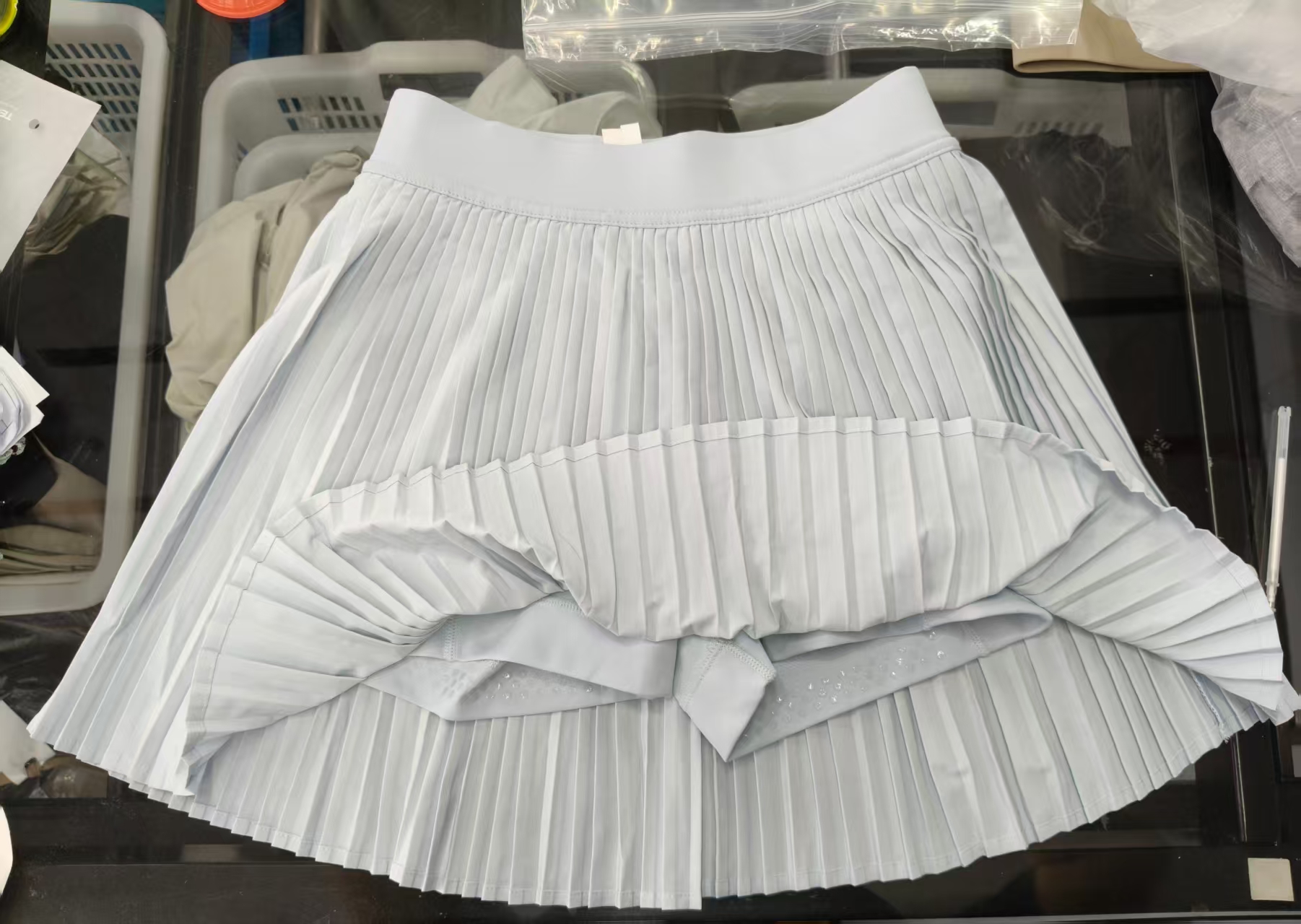
Print is where activewear brands express identity - and where the technical options confuse first-time founders fastest. Sublimation, solid dye, placement prints: each works differently on nylon-spandex, each has its own cost structure, and choosing wrong means either washed-out color or inventory you cannot sell.
Here is how each method actually works, and how to decide per style.
Sublimation: Full-Surface, All-Over Print
Dye sublimation prints your design onto transfer paper, then heat-presses it into the fabric - the dye bonds inside the fiber instead of sitting on top. On nylon-spandex knits it produces all-over color and pattern with no hand feel: the fabric still stretches, recovers and wicks exactly as an undecorated knit would.
The strengths: photographic detail, unlimited colors at no per-color cost, and placement accuracy that lets logos land exactly where engineered. The constraints: it works best on light-colored fabrics (dye cannot go lighter than the base), polyester-rich blends accept sublimation far better than pure nylon - a real consideration given the nylon-spandex standard in premium yoga wear, as covered in the fabric guide.
Cost structure: setup is digital, so short runs work - but every meter of fabric goes through the print process, so the per-meter cost is permanently higher than solid dye. Sublimate styles where print IS the product; do not sublimate a solid-color legging.
Solid Dye: The Core Color Program
Solid dye is dyeing the yarn or fabric to a single color before cutting - the standard route for core colorways (black, espresso, cream and friends). It gives the deepest, most colorfast results on nylon, and it is the cheapest route per meter at volume.
The constraints: dye lot minimums per color (each new color is a small project - the capsule color guide covers why five colors price better than twelve), lab-dip approval cycles before bulk, and zero pattern capability. Solid dye is for your core program; it is not a print method.
One production note: solid-dyed fabric is ordered to your spec and reserved per order, so color decisions lock earlier in the timeline than sublimation decisions, which can happen closer to cutting.
Placement Prints: Logos and Graphics
Between the two sits decoration: heat-transfer logos, silicone prints, high-density prints and reflective details applied after cutting, positioned per panel. These are priced per placement and per piece, they scale from tiny orders, and they are how most private label brands put identity on solid-dyed basics.
The rules that matter: keep prints off high-stretch zones (a rigid print across a bending knee cracks), match print chemistry to the fabric (some silicones and inks bond differently to nylon versus polyester), and order print samples before bulk - a placement that looks great flat can feel wrong under the hand.
How to Choose Per Style
Core colors, core styles: solid dye, always - this is the revenue base, priced and durable. Statement pieces and seasonal drops: sublimation, where the print carries the style and the volume is smaller. Every style: a placement logo for identity. A practical collection runs all three at once, and the color-count discipline from the capsule guide keeps the program coherent.
One more angle: test print direction on in-stock styles before committing a made-to-order run - the two production modes are compared in the in-stock versus made-to-order guide, and print is exactly the kind of decision worth de-risking.
Common Questions
Does sublimation fade?
Sublimation is itself dye bonded in the fiber - it does not wash off the way surface prints crack. The weak point is the base fabric color, not the print: sublimation on a dark base will not read.
Which is better for nylon-spandex?
Solid dye handles nylon best. Sublimation prefers polyester-rich blends - on nylon-rich knits it needs special transfer chemistry, which is why we confirm print method at fabric selection, not after.
What is the minimum for a custom print?
Sublimation is digital - one meter works for sampling. Placement prints have small setup fees per design. Solid dye carries the dye lot minimum, which is the real MOQ driver behind color count decisions.
Print Follows the Program
Solid dye funds the brand, sublimation expresses it, placement prints identify it. Choose the method per style by volume, base fabric and role in the collection - and the print program stops being a source of surprises.
Miss K runs all three methods on the same floor - solid dye programs, sublimation development and placement decoration, sampled before bulk like everything else. Bring your print ideas to info@misskyoga.com or WhatsApp +86 136 4085 9182 and we will tell you which method fits which style.