Oct 8, 2026
Private Label Cost Breakdown: Where Your Money Actually Goes
A line-by-line cost anatomy of a private label yoga set - fabric, labor, trims, QC and margin - and the four levers that move your unit price more than any negotiation.
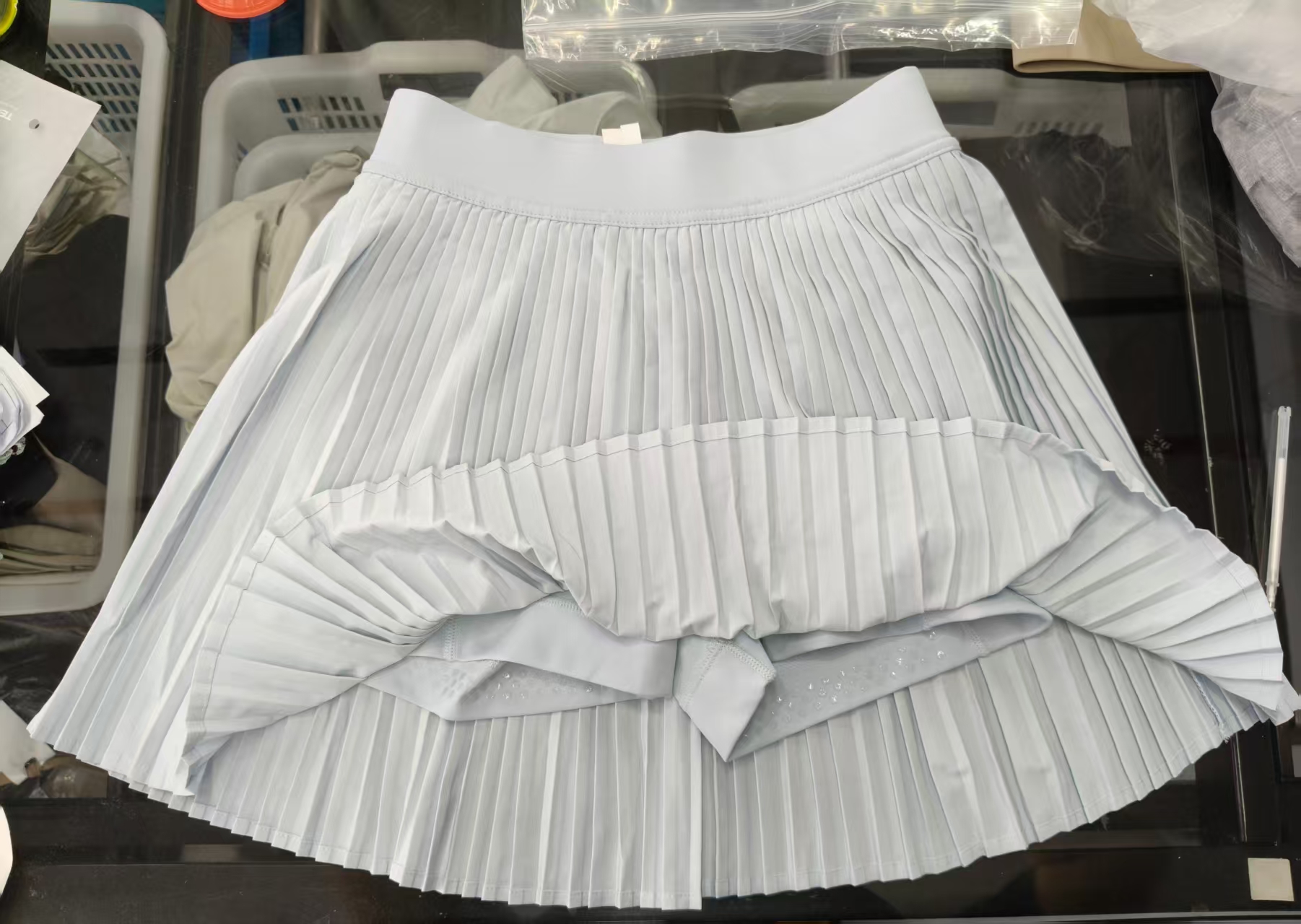
Ask three factories for the price of a private label yoga set and you will get three numbers. The gap is not negotiation skill - it is what each number quietly assumes. The way to close the gap is to understand where the money actually goes, because once you can read a cost, you can compare a cost. The same skill, applied to the quotation itself, is covered in the quote reading guide.
Here is the anatomy of a typical private label set - bra and legging - as an FOB price from a Chinese factory, bucket by bucket.
Bucket 1: Fabric - the 40-55%
Fabric is the largest line, and the only one where quality genuinely lives. Composition (nylon versus polyester), spandex percentage, weight in GSM and finish (brushed or not) each move the number. A 250 gsm brushed nylon-spandex knit costs meaningfully more per meter than a 190 gsm polyester equivalent - and wears nothing like it. What those fabric fields mean is covered in the fabric spec guide.
This is also the bucket where substitutions hurt. If a quote comes back suspiciously low, the first place to look is a lighter, thinner or polyester-substituted fabric - the failure modes are the ones that make leggings go sheer.
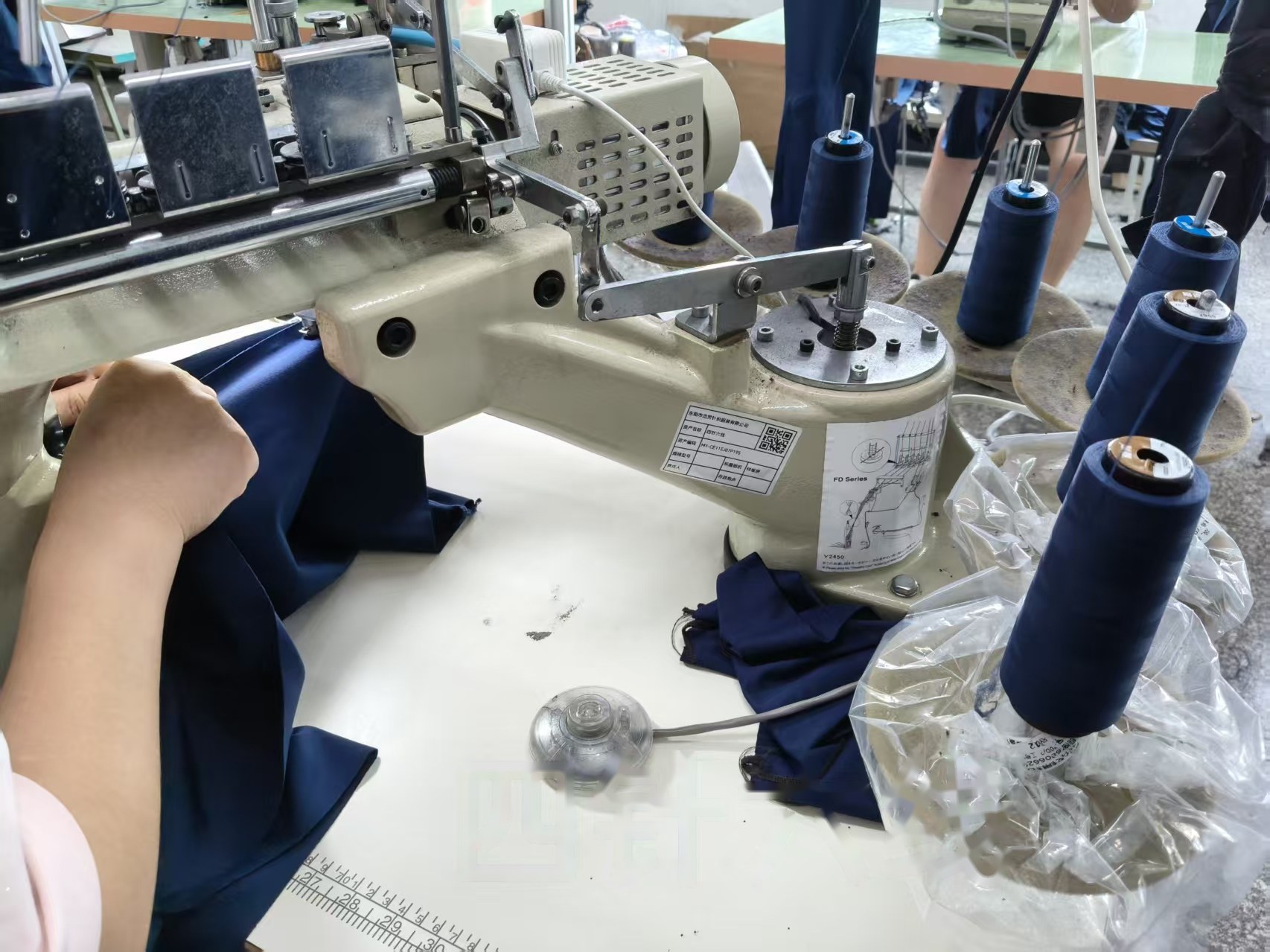
Bucket 2: Cut and Sew Labor - the 15-25%
Labor scales with construction complexity: the number of panels, seam types (flatlock, overlock, coverstitch each price differently), bonded or seamless details, and the hand-work in waistbands and straps. A five-panel legging sews faster than an eight-panel one; a bonded waistband adds machine time per piece.
This is why "same style, better price" quotes deserve a question about which construction steps quietly disappeared - the answer is usually in the seams.
Bucket 3: Trims, Labels and Packing - the 8-15%
Woven labels, care labels, hangtags, polybags, cartons and any custom hardware. Individually small, collectively real - and the bucket where first-time founders overspend on things customers never see. Your brand needs clean labels and sound packing; it does not need foil-stamped anything on the first order.
Packing spec matters beyond cost: what is agreed here is what the carton matches at pre-shipment, which is why packing belongs in the tech pack rather than in a later conversation.
Bucket 4: Sampling, QC and Overhead - the remaining spread
Sampling is usually billed separately, but its cost lives in the unit price of every serious factory, alongside QC labor, machine depreciation and the margin that keeps the lights on. A price with no room in it for QC is a price from a factory that does not do QC - and the QC room is exactly what the factory tour shows.
The Four Levers That Move Your Price
1. Fabric spec. Composition, weight and finish - the single biggest lever, and the one where honest factories will show you the trade-offs in swatches.
2. Construction complexity. Every seam type and bonded detail is machine time. Simplify the pattern and the price follows - without touching quality.
3. Order quantity. Bigger runs spread cutting and setup across more units. This is the arithmetic behind MOQ - the planning logic is in the MOQ guide, not in charisma.
4. Color count. Each colorway can add dye minimums and reduce fabric buying efficiency - the capsule color guide covers why five colors price better than twelve.
Common Questions
Why is my quote higher than my friend's for a similar set?
Different spec, most likely: fabric, construction or quantity. Convert both quotes to the same assumptions before comparing - the comparison method is in the FOB versus EXW guide.
Should I negotiate the unit price or the spec?
Spec first. A factory can move a few cents on price and many cents on fabric and construction choices. Negotiate hard on the spec you actually need, softly on the rest.
What does the factory margin look like?
Healthy factories run thin gross margins on production and earn loyalty through consistency. A quote far below the pack will show its logic somewhere - usually in Bucket 1.
Read Costs Like a Brand, Not a Bargain Hunter
The founders who win are not the ones who found the cheapest number. They are the ones who know what every bucket should contain, ask questions in buckets, and pay for fabric and QC while staying lean on trims. That is how a first order sets up a second one.
Miss K quotes are bucketed exactly this way - fabric, labor, trims, QC - line by line, with the spec attached. Send your styles to info@misskyoga.com or WhatsApp +86 136 4085 9182 and see a quotation that explains itself.