Oct 31, 2026Craftsmanship & Quality
The Returns Math: How One Quality Failure Eats the Margin of a Whole Style
A defect that costs cents to prevent can erase the profit of an entire style run. The honest returns arithmetic for activewear brands, the five failures that drive it, and what to fix first.
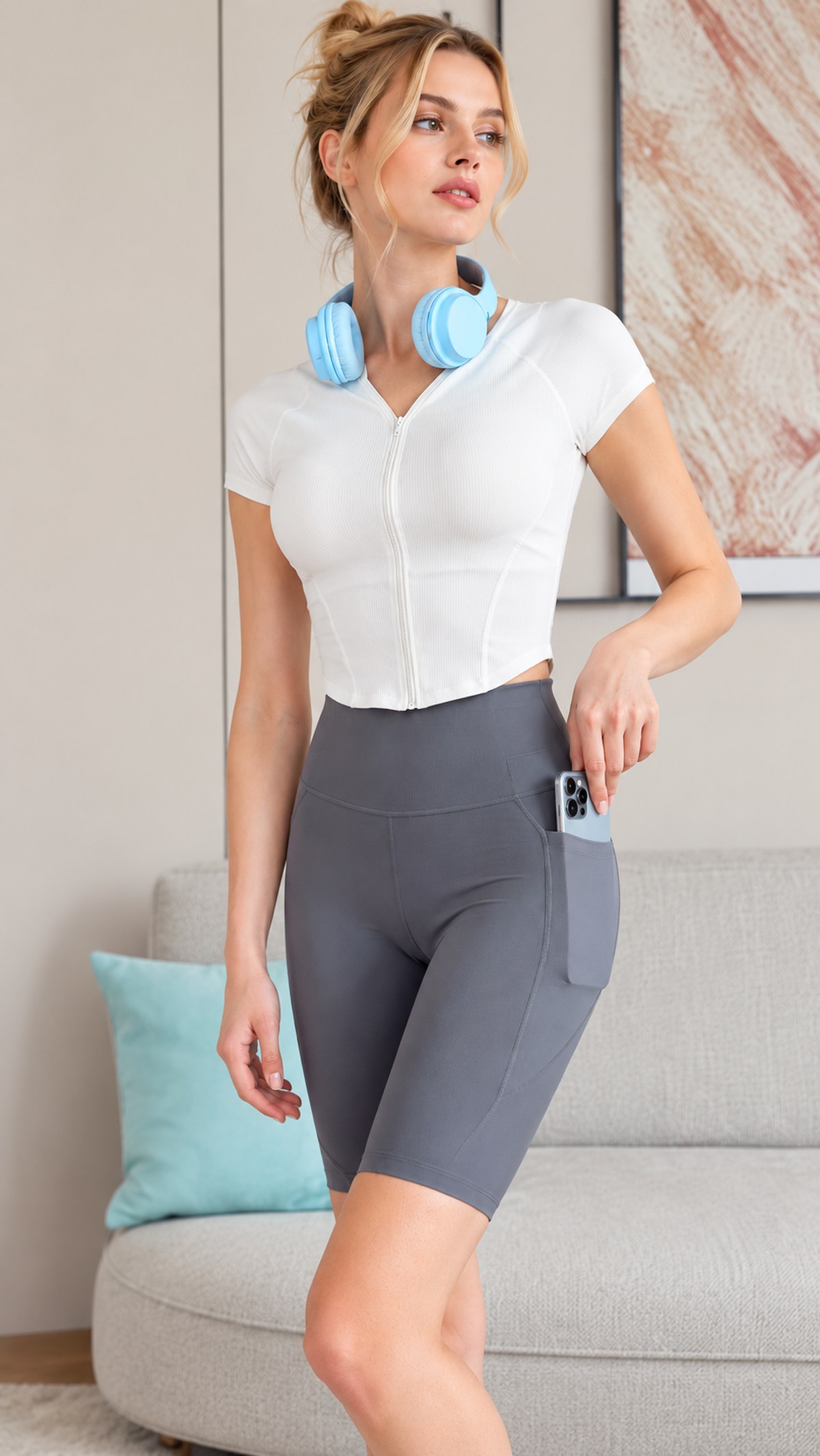
Run the numbers on any activewear style and the same pattern appears: the difference between a profitable style and a loss is rarely the fabric price or the freight. It is the return rate. A legging that returns at 8 percent instead of 20 percent is worth more than a factory quote that is one dollar cheaper - and the returns gap is manufactured, not luck. Here is the arithmetic, the failures behind it, and where prevention pays most.
The Arithmetic of One Return
Take a legging that retails at 68 dollars. A returned unit costs the brand: the original outbound shipping, the return shipping, processing labor to inspect and re-press, packaging that cannot be resold as new, and - the largest silent cost - the markdown channel, because most returns cannot be resold at full price. Add them up and a single return typically consumes the gross margin of two to four full-price units. At a 20 percent return rate, roughly one unit in five generates zero profit and negative contribution from its neighbors.
The Five Failures That Drive Activewear Returns
See-through at squat depth
The classic: opacity that fails in motion. It is engineered at the fabric stage - knit density and GSM - and verified with the daylight squat test before bulk. Prevention cost: nearly zero, caught in sampling.
Fit grading that breaks at the extremes
A style fitted on the sample size and graded mechanically fits S and M and fails at XL. Returns cluster in the extended sizes and reviews mention rolling waistbands and digging seams. Real grading redrafts, and a fit session at the largest size, prevent it.
Rolling and digging waistbands
Waistband construction is a whole discipline - width, height, elastic choice, bonding versus stitching - and the difference between a band that stays put through a class and one that rolls within ten minutes. The waistband trade-offs are documented; ignoring them is a returns decision.
Color that fades in the first washes
Customers forgive a lot; bleeding dye on their other laundry is not forgivable. The four colorfastness tests exist precisely because this failure is invisible at inspection and ruinous in the machine.
Pilling by week three
Pilling turns a premium-feel legging into a discount-bin one within a month - late returns, harsh reviews. It traces to yarn quality and finishing, and it shows up in a simple home-laundering trial on the sample.
Where Prevention Pays Most
Rank the fixes by cost against rate impact and the order is consistent across brands: opacity and grading are nearly free to fix at sampling and remove the two biggest return drivers; waistband construction is a design choice, not a cost; colorfastness adds testing days, not fabric dollars; pilling prevention lives in yarn selection and shows up as a small per-meter premium. None of these require exotic machinery - they require the checks to be written into the sampling and pre-shipment process and actually run. The pre-shipment checklist exists so that none of them is skipped when the calendar gets tight.
Track It Per Style, Not Per Brand
The practical system: record return reasons per style, per size - not as a blended brand average. One style with a grading flaw looks fine in an average that includes clean styles, and the flaw keeps shipping every re-order. Per-style reason codes turn returns from a cost of doing business into a product-development feed: the next sample round fixes what the last sales round proved.
The Factory Side of the Deal
A factory that engineers opacity, grading and waistbands is not a more expensive factory - it is a cheaper one per shipped-and-kept unit. When you compare quotes, ask what is included: fit sessions at the extremes, opacity verification, wash testing, inline seam checks. A quote without them is not lower; it is unfinished.
Want your next style engineered against the return list before it ships? Send us your reference sample - we will run the opacity, fit and wash checks in sampling and show you the results with the bulk quote. info@misskyoga.com or WhatsApp +86 136 4085 9182.