Oct 13, 2026Material Science
Seamless Activewear: When Bonded Construction Is Worth It
What bonded construction actually is, what it adds to a garment - invisible seams, less chafe, cleaner lines - what it costs, and the styles where it earns its premium versus where stitching wins.
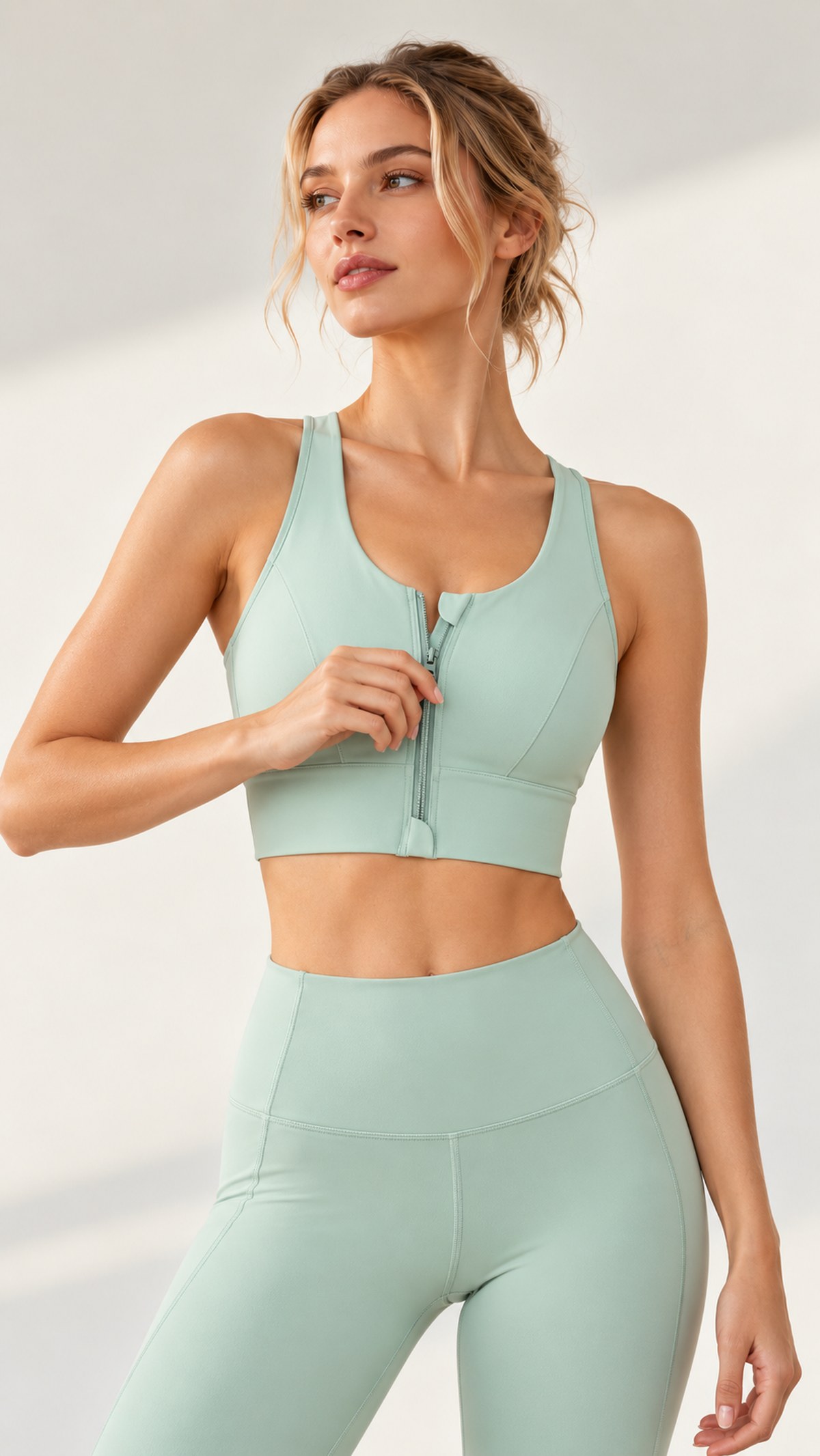
Bonded construction is the quiet premium in activewear: seams joined with engineered adhesives instead of thread, leaving nothing to rub, nothing to show, nothing to unravel. Done right, it is the difference between a customer noticing your garment and noticing your brand. Done on the wrong style, it is a cost with no story. This is where bonding earns its place - and where classic stitching still wins.
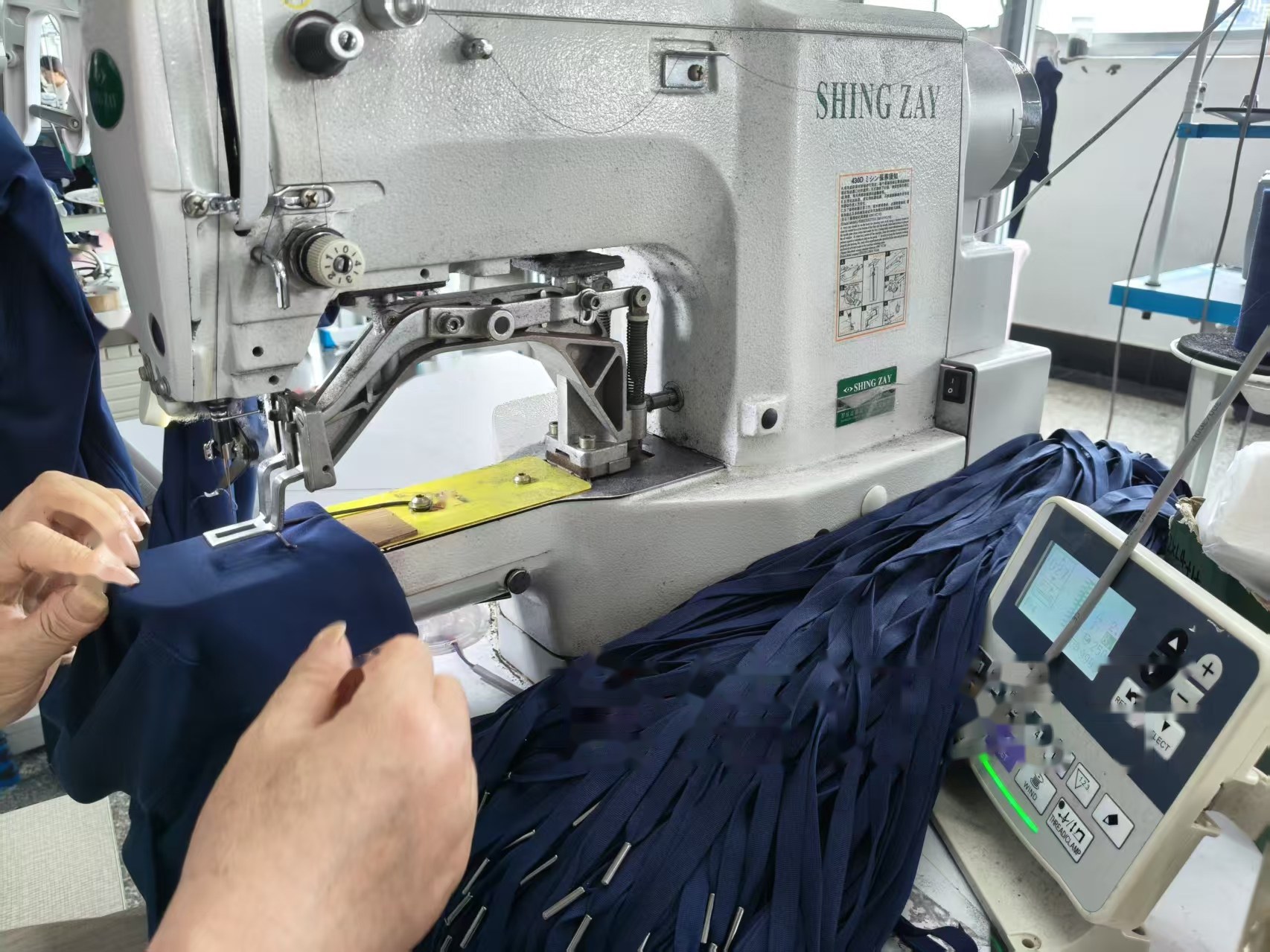
The machinery is on our floor - the no-trace bonding area appears in the factory tour - and the decision framework below is the one we walk through with brands.
What Bonded Construction Actually Is
Bonding joins fabric to fabric with engineered adhesive films and precise heat and pressure - a welded seam instead of a sewn one. The results: a seam that is flat, lighter and invisible from the outside; no stitch holes; no thread to abrade skin; and edges that can be raw-cut and bonded without hems. The floor version: machines that press each seam under controlled temperature and pressure - you can see the bonding area in the factory tour.
What Bonding Adds to the Garment
Four customer-visible gains. Comfort: no raised seams against skin - the end of chafing on long sessions. Weight: bonded garments drop the thread and seam bulk, reading barely-there. Aesthetics: clean, uninterrupted lines that photograph like second skin - the look behind the sculpt trend. And edge design: hems, straps and necklines can take shapes stitching cannot follow cleanly.
What Bonding Costs
Three honest costs. Price: bonding machines, adhesive films and slower cycle times add to the unit - the cost structure sits in the labor and overhead buckets of the cost breakdown, not the fabric bucket. Fit precision: a bonded seam cannot be let out - fit must be right at the sample stage, which raises the value of the size set. Repair limits: a bonded seam that fails needs re-bonding equipment, not a needle and thread - quality control at pre-shipment matters more, not less.
Where Bonding Earns Its Premium
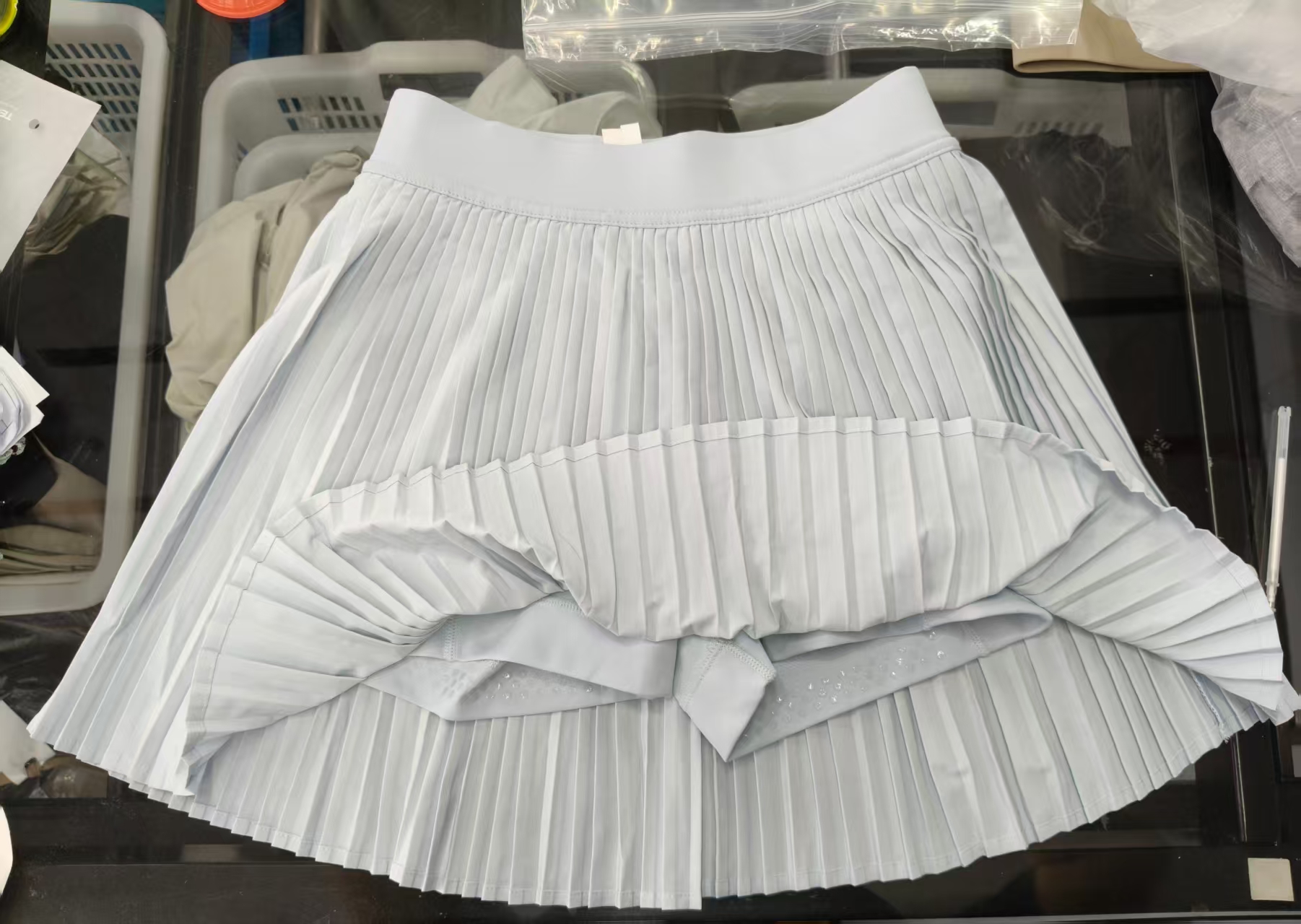
Bonding belongs where its gains are the product: compression and sculpt styles, where flatness and second-skin feel are the promise; bra construction, where chafe-free bands and straps carry the comfort story; invisible detailing - bonded waistband finishes, seamless pocket edges, raw-cut hems - on premium lines. For these, customers already expect and pay for the construction.
The fit discipline point: because bonded seams cannot be altered after bonding, the size set approval matters even more than usual - the grading process is in the size grading guide.
Where Stitching Still Wins
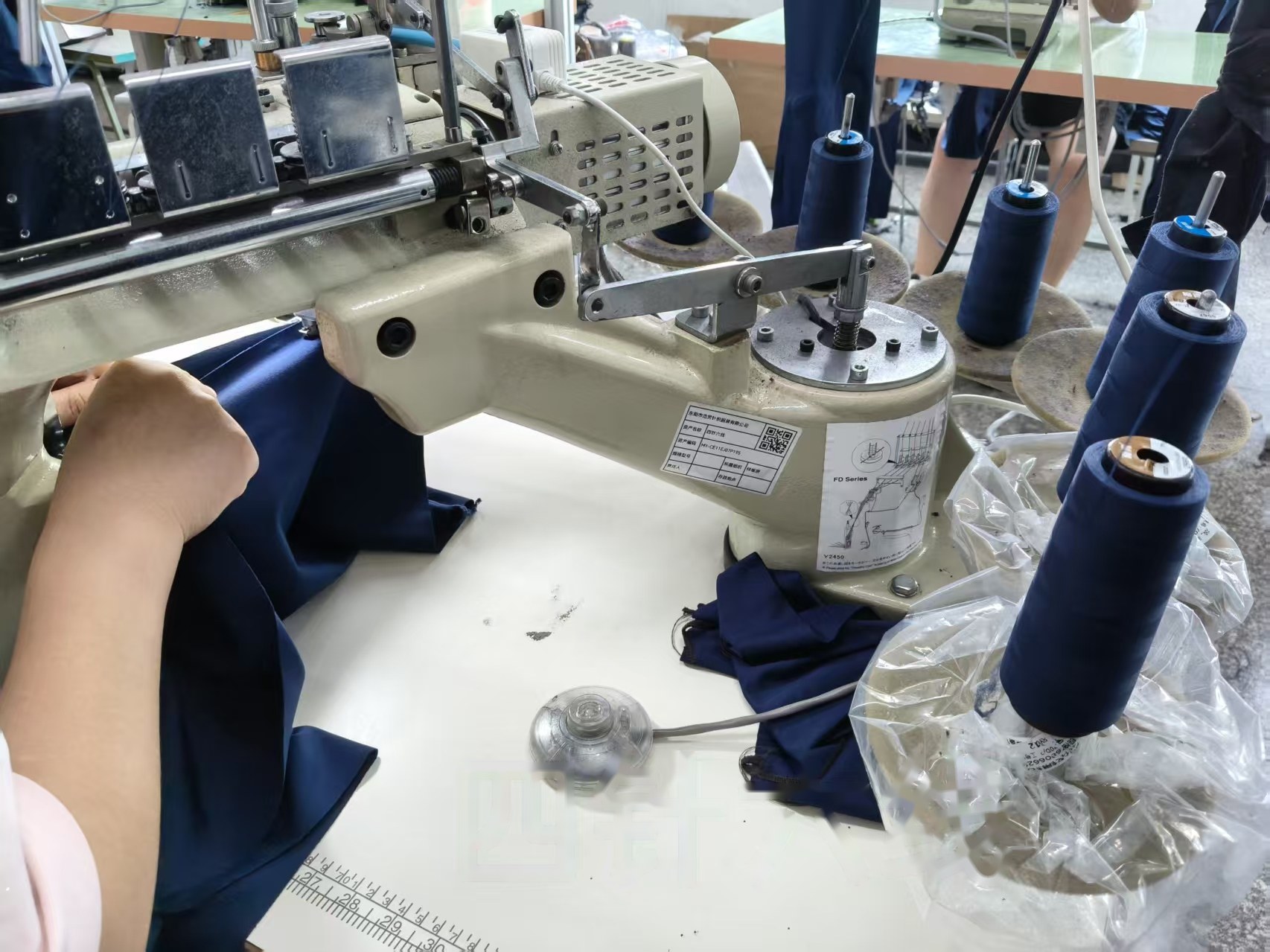
Basics and volume programs: flatlock stitching delivers comfort at a cost structure that keeps core colorways affordable - the flatlock machine is the workhorse behind premium leggings at scale. Relaxed fits: where a seam is rarely felt, bonding is a cost without a story. And high-abrasion loads: some bonded joins are weaker under persistent shear than a good four-needle six-thread seam - the reason premium leggings still put flatlock at the inseam. The trade-offs between the two construction philosophies are laid out in the seamless versus cut-and-sew comparison.
Common Questions
Is bonded stronger than sewn?
Per square centimeter, a proper bond is very strong - but it fails differently: sewn seams fray gradually, bonded seams can peel at the edge if the application was faulty. Which is why the bonding press parameters and QC matter, and why the supplier's bonding floor deserves a look.
Can bonded and sewn mix in one garment?
Yes - and premium styles usually mix: bonded waistbands and edges where clean lines show, flatlock at load-bearing seams where strength matters. The spec assigns each seam its method.
Does bonding work on all fabrics?
It depends on the fabric's chemistry and heat tolerance - some nylon-spandex knits bond beautifully, others need different films. Confirm at fabric selection, per the spec sheet process.
Bond Where It Counts
Bonded construction is not a trend - it is a construction method with a specific job: invisible, chafe-free, second-skin garments. Assign it to the styles that sell that promise, stitch the rest, and the premium lands where customers can feel it.
Miss K runs bonding and stitching side by side on the same floor, and the spec decides which seam gets which. Bring your styles to info@misskyoga.com or WhatsApp +86 136 4085 9182 and we will mark up every seam with you.