Oct 15, 2026
What Is a Lab Dip? Color Approval Explained for New Brands
The lab dip is one swatch of your fabric dyed to your color - approved before bulk dyeing ever starts. How the process works, how to judge one properly, and the light-box rule that prevents color disp
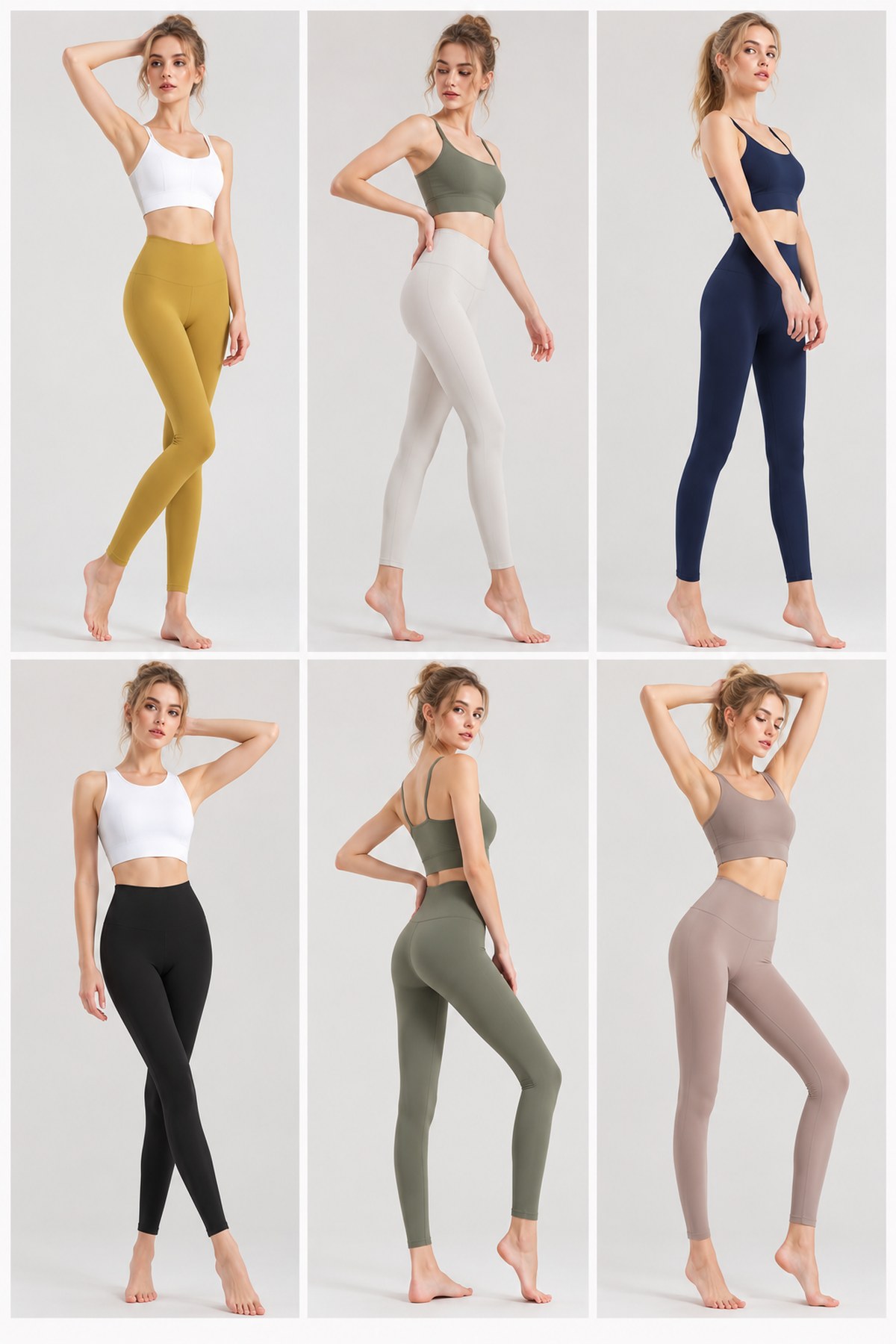
A lab dip is a small swatch of your actual fabric, dyed to your target color, sent for approval before the factory dyes the bulk. It is the color version of a fit sample: a cheap, fast checkpoint that stands between "I want sage green" and three hundred legging dyed a sage you never agreed to. Every color-managed brand runs them; every color dispute story starts with a brand that skipped them.
Here is how the process runs, how to judge a lab dip properly, and the one rule about light that prevents most color arguments.
How the Lab Dip Process Runs
You provide the color target - a Pantone code (TCX for textiles is the standard) or better, a physical reference: a swatch from a garment whose color you love. The dye house dyed a small piece of your production fabric to match, and the factory sends you one or several lab dips to choose from - sometimes slightly different strengths of the same shade, marked A, B, C.
You approve one in writing; that approved dip becomes the color standard the bulk is judged against. The cycle takes about a week per round, and one to two rounds is normal - three means the color target itself is probably the problem (out of gamut for the fabric, or changing between rounds). Where color sits in your program - solid dye versus print versus placement - is covered in the dye methods guide.
How to Judge a Lab Dip Like a Brand
Judge it in daylight, first - near a window, not under office LEDs. Then, if you want to be professional about it, in a D65 light box: the standardized daylight condition the industry judges color in. Colors shift dramatically between light sources (a sage that reads perfect at noon can go grey under warm interior light) - this metamerism effect is the single biggest source of color disputes.
Compare against your physical reference side by side, not against your phone screen - screens shift color and cannot show texture. And judge the dip ON your production fabric: the same Pantone dyes differently on different weights and blends, which is why the dip must be on the actual fabric, not a generic swatch.
Approve, Reject, or Comment
Approve in writing, and the approved dip is retained by both sides as the standard. Reject with specificity: "too dark versus Pantone 16-0435, slightly too grey under daylight" beats "not right" - specificity gives the dyer something to correct. And keep every dip in your order file: the trail of dips and approvals is your evidence chain if the bulk arrives off-color.
The Bulk Check: Retain and Compare
The lab dip approves the color; the bulk check confirms it. When bulk fabric arrives, compare a cutting against your approved dip under daylight - the retained-swatch discipline from the fabric spec guide, applied to color. Small lot-to-lot variation exists; what you are catching is a color that drifted beyond reasonable tolerance before it becomes garments.
Common Questions
How much does a lab dip cost and take?
Lab dips are usually free or nominal from serious factories, and take about five to seven days per round including shipping. It is the cheapest quality insurance in the industry.
Can I skip lab dips on black?
Black is the most forgiving color and the least likely to drift visibly - many brands approve black on fabric swatch alone. Every other color earns a dip, and even black deserves the arrival check.
What is a strike-off? Is it the same?
A strike-off is the print equivalent - a sample of your printed pattern on the actual fabric. Same approval logic, different decorator. Print method trade-offs are in the sublimation versus solid dye guide.
One Swatch, One Standard
The lab dip process is small: a Pantone code, a swatch in the mail, a judgment in daylight. Run it on every color and your bulk arrives the color you approved - which is one of those boring disciplines that quietly separates brands that last.
Color at Miss K runs on lab dips as standard - approved dips retained, bulk checked against them on arrival. Build your color program properly at info@misskyoga.com or WhatsApp +86 136 4085 9182.