Oct 31, 2026Material Science
Yarn-Dyed vs Piece-Dyed: How the Dyeing Method Changes Your Color Story
The same color behaves differently depending on when it meets the fabric. How yarn dyeing and piece dyeing differ, what each does to cost, consistency and stripes, and when to use which.
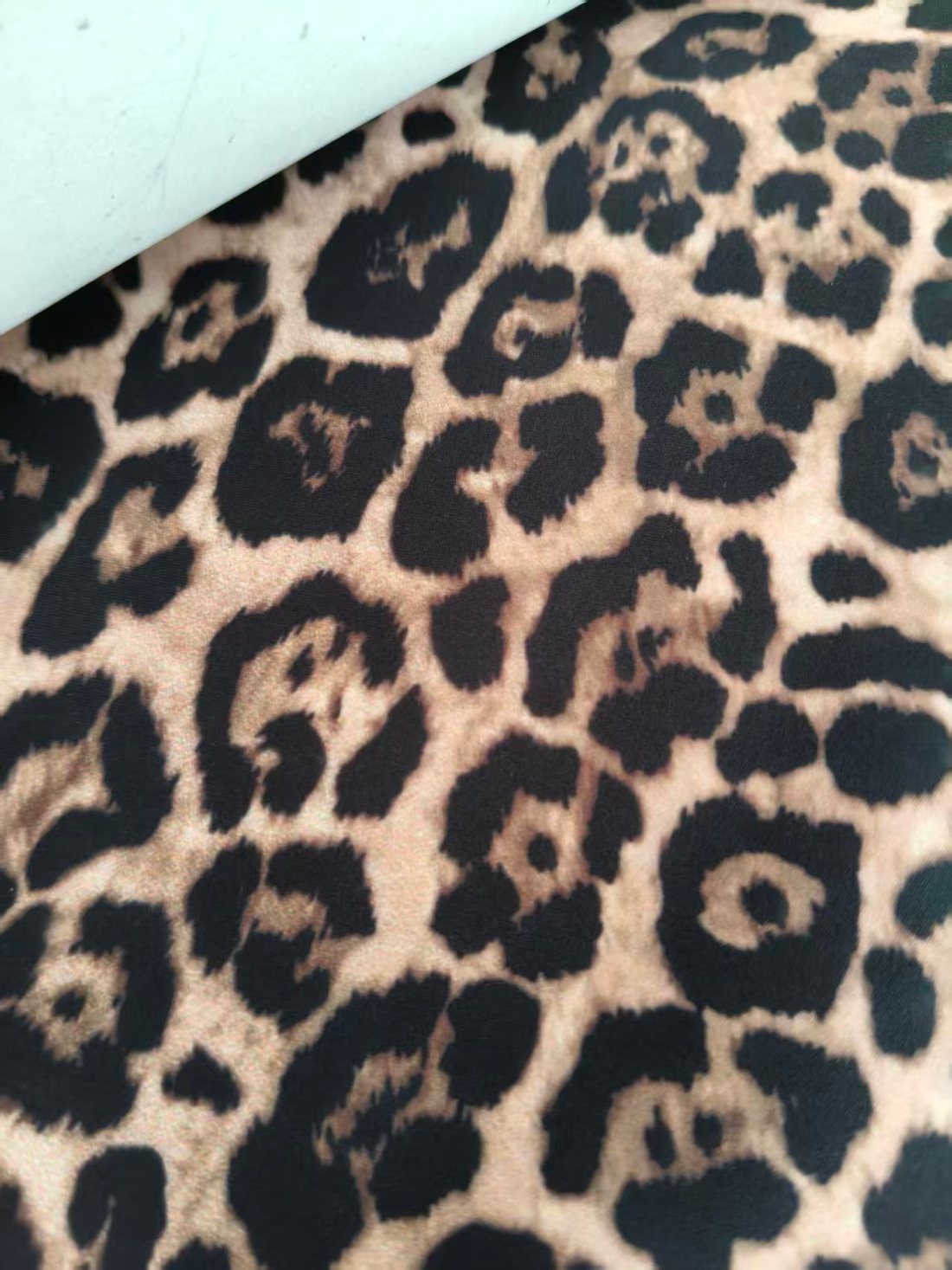
Most buyers think color happens at the end: knit the fabric white, then dye it. That is piece dyeing, and it is the default. But a whole family of activewear effects - heathers, melanges, crisp stripes, chambray-like textures - only exist because the yarn was dyed before knitting. Understanding where color enters the process explains why some colors cost more, why some stripes stay crisp while others blur, and why two supposedly identical navy leggings can differ side by side.
Piece Dyeing: The Flexible Default
In piece dyeing, the garment fabric is knitted in undyed (greige) form and dyed afterward, in batches. It is the standard for solid-color yoga wear because it is flexible: color decisions can wait until the fabric is knitted, small color runs are economical, and a color correction means re-dyeing a batch rather than re-spinning yarn. The lab dip process you approve is a piece-dye sample - the dye house matches your target on the actual greige fabric.
The trade-offs: batch-to-batch variation exists (the reason bulk color checks matter), and every meter carries the same solid color - patterns must come from printing, not the knit itself.
Yarn Dyeing: Color Locked Into the Yarn
In yarn dyeing, the yarn is dyed first, then knitted. Because color sits inside the yarn before the fabric exists, effects become possible that piece dyeing cannot achieve: true melanges (two yarn colors knitted as one heather), feeder stripes with knife-edge definition, self-textured jacquards, and colorways where the fabric face and back differ. Stripes knitted from dyed yarn never blur or fade at the edge the way printed stripes eventually do.
The trade-offs: color commitments happen weeks earlier - yarn is dyed in lots before knitting, so a color change means new yarn. Minimums per color are higher, and a stripe layout must be final before the fabric is knitted. Sampling is also slower: the color-and-stripe sample IS the fabric development.
The Decision Framework
Solid core colors, flexible quantities
Piece dye, always. Your black, your brown, your seasonal solid - piece dyeing keeps re-orders cheap and color decisions late, and consistency across re-orders is managed with the approved-dip standard.
Heathers and melanges
Yarn dye. A heather is two dyed yarns knitted together - it cannot be piece-dyed into existence. Note that heathers are also more forgiving on visible sweat and lint, a quiet practical benefit for training colors.
Engineered stripes and color blocking
Yarn-dyed for crisp, permanent stripes; printed for photographic or gradient effects. The two are often combined: a yarn-dyed body with a printed panel.
Cross-dye effects
A specialist option: two fiber types (for example nylon and polyester) in one fabric, dyed once in a bath that takes each fiber differently - one fabric, two tones. It enables tonal designs with a single dyeing pass, and the fabric composition guide explains why the fiber mix makes it possible.
What to Confirm With Your Factory
Ask which method each style uses, and price accordingly - a quote that ignores yarn-dye minimums will resurface as a surprise. Confirm color consistency standards per method: piece-dyed goods check against the approved lab dip; yarn-dyed goods check against an approved knit-down sample, because the same yarn reads differently knitted at different gauges. And for stripes, approve a full-width knit sample, not a swatch - stripe spacing across the body width is where layouts go wrong.
Planning heathers, stripes or tonal effects for your next drop? Send us the reference images - we will tell you which dye route each color needs, quote both honestly, and develop knit-downs before you commit. info@misskyoga.com or WhatsApp +86 136 4085 9182.