Oct 13, 2026
Yoga Sets vs Separates: What Sells Better for New Brands
Sets lift order value, separates lift unit velocity and cut sizing returns - the merchandising math behind each, and the launch mix that uses both without doubling your SKU count.
Sets or separates - it is the first merchandising fork in activewear, and first-time founders usually walk it blind. Sets photograph beautifully and lift order value; separates fit more bodies and return less. The brands that grow run both, in a deliberate ratio - here is the math behind each, and the launch mix that works.
The set merchandising basics are in the matching sets guide; this piece adds the sizing and cash angles that decide the fork.
The Case for Sets
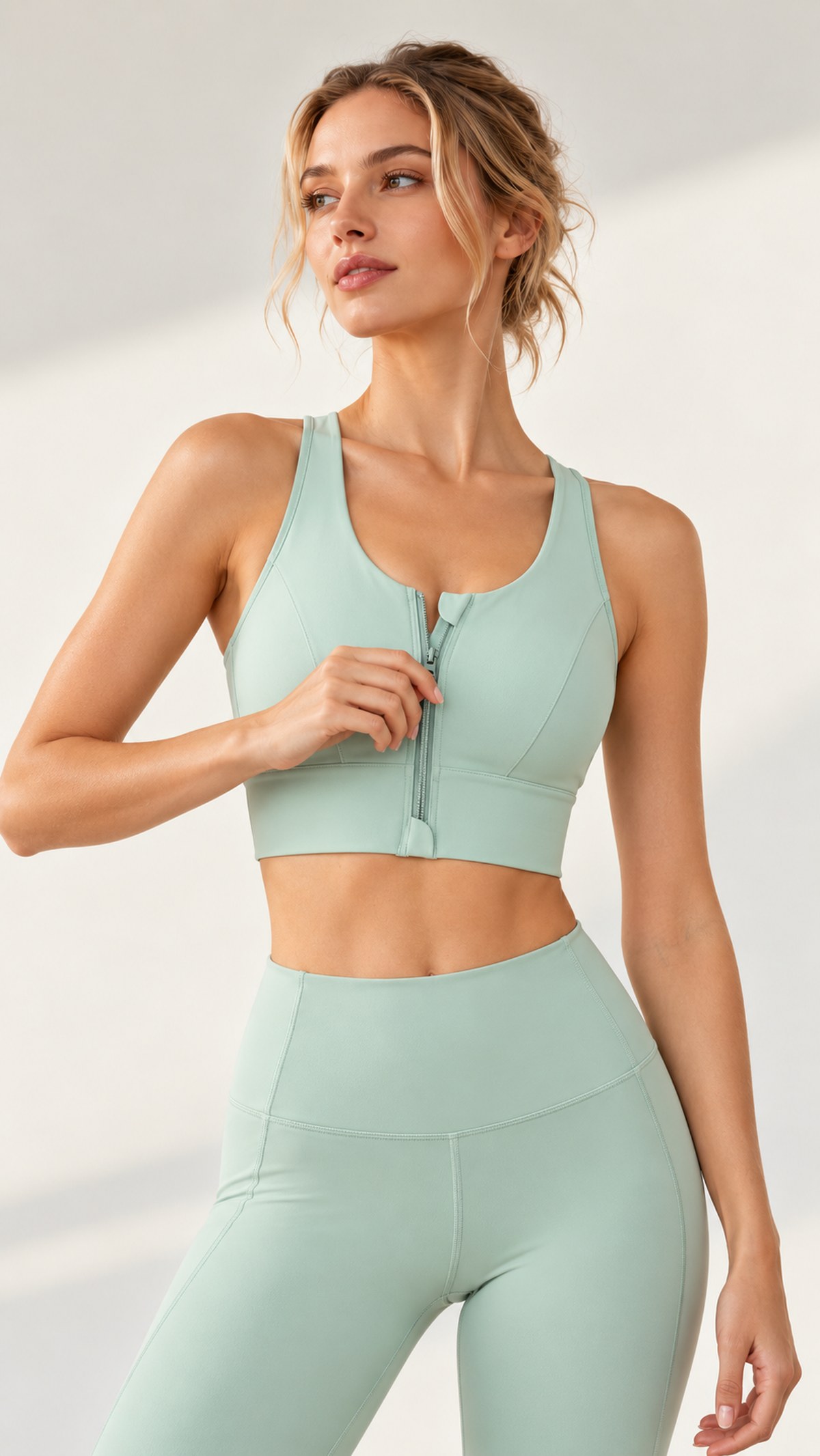
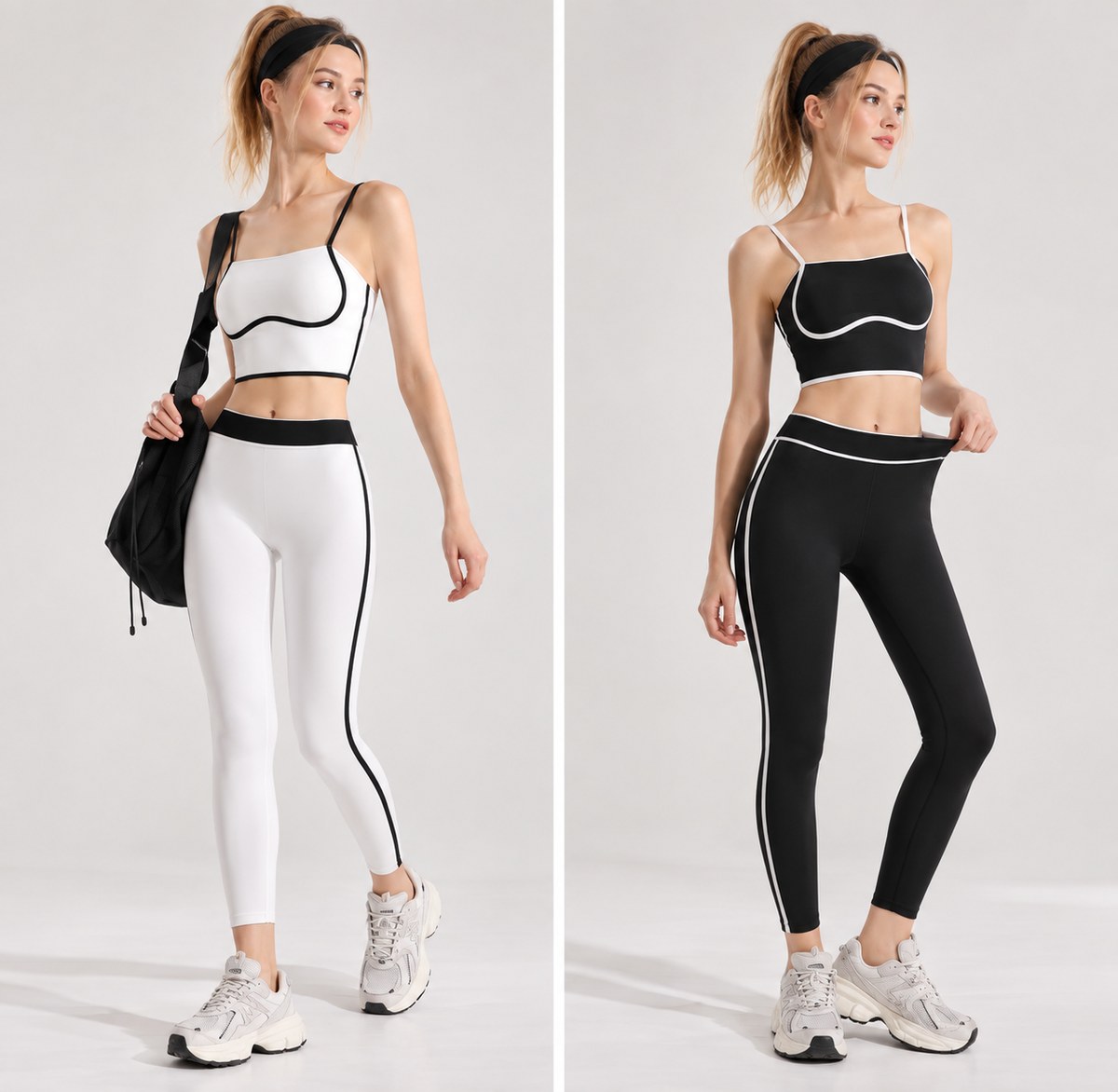
A matched set makes the outfit decision for the customer - top plus bottom, styled, done. The commercial effects: average order value rises (two pieces per transaction), photos look like a collection instead of a stockpile, and sets are the strongest canvas for your brand identity - colorways, piping, waistband details all read across both pieces.
Sets also carry a hidden cost advantage at production: top and bottom share the same fabric program, so one fabric booking covers two sellable SKUs - more sellable meters per fabric dollar than any single-piece style.
The Case for Separates
Separates win on the two problems sets create. First, sizing: half of all customers wear different sizes top and bottom - a set forces them to buy both pieces in one size, and a misfit half becomes a return or a leftover. Separates let every customer build their own fit, which is why sizing-sensitive categories (support bras especially - see the support levels guide) sell better as separates.
Second, unit velocity: separates recombine. A black legging sells with four tops you already stock, which multiplies outfits without multiplying SKUs - the same recombination logic the capsule color guide applies to colors, applied to styles.
The Sizing Math Founders Miss
A set in sizes S-XL is really ten SKUs of fit expectations: five top fits crossed with five bottom fits. The returns concentrate where a customer's top size and bottom size diverge - which is most customers. The sizing fixes that work: offer sets with mix-and-match sizing at order (some brands let customers pick top and bottom sizes separately - ask your factory about split-size packing), run separates alongside every set, and publish garment measurements per piece so customers self-select - the chart format is in the size charts guide.
The Launch Mix That Works
For a first collection: two matched sets in your two core colors (the identity builders), plus three or four separates in the same palette (the volume drivers). Every set piece should also sell as a separate - buy set styles whose halves stand alone, which doubles your shelf without new production. This is the structure behind the first collection framework in the collection building guide.
Cash-wise, sets and separates price differently: sets raise ticket size, separates raise order frequency. Track both for a quarter and the data will show you which your audience is - then weight the next order that way, using the add-new-styles timing rules.
Common Questions
Do sets or separates return more?
Sets, on sizing - the top/bottom size mismatch is the single biggest activewear return driver. Separates return on fit expectation, which better size charts largely solve.
Should set halves be sold separately too?
Yes, when the halves are strong standalone pieces - most good sets are. List both ways; the set listing converts the outfit shopper, the separate listings catch the mixers.
Are sets harder to produce?
Marginally - two patterns instead of one, and the fabric program must serve both silhouettes. In production terms it is one order, one fabric booking, one QC standard.
Run Both, Weight by Data
Sets are your identity and your order value; separates are your fit range and your velocity. Launch with both in a two-to-one separates ratio, publish measurements that let customers self-serve, and let a quarter of sell-through tell you where to weight the next buy.
Miss K's hero range is built set-first - every set piece also stands alone - and the same logic runs through the in-stock collection. Build your mix with us at info@misskyoga.com or WhatsApp +86 136 4085 9182.