Adding a Men's Line: What Transfers From Womenswear Production (And What Doesn't)
Women's brands add men's capsules all the time - and discover the pattern work, grading and fit logic do not transfer automatically. What carries over, what breaks, and how to start small.
The request arrives in every growing brand's second year: where is the men's version? A women's yoga label has the audience, the aesthetic and the factory - how hard can a men's capsule be? The honest answer: the fabric knowledge and factory relationship transfer almost completely; the pattern logic, grading and fit expectations do not. Brands that treat men's as resized womenswear meet returns; brands that engineer it as its own discipline launch cleanly. Here is what actually changes.
What Transfers Directly
Fabric
Performance knits are unisex: a 250 GSM nylon-spandex with good recovery works for either line, and your existing fabric library is a genuine head start. The same GSM logic applies, the same opacity testing, the same pilling standards.
Factory and machinery
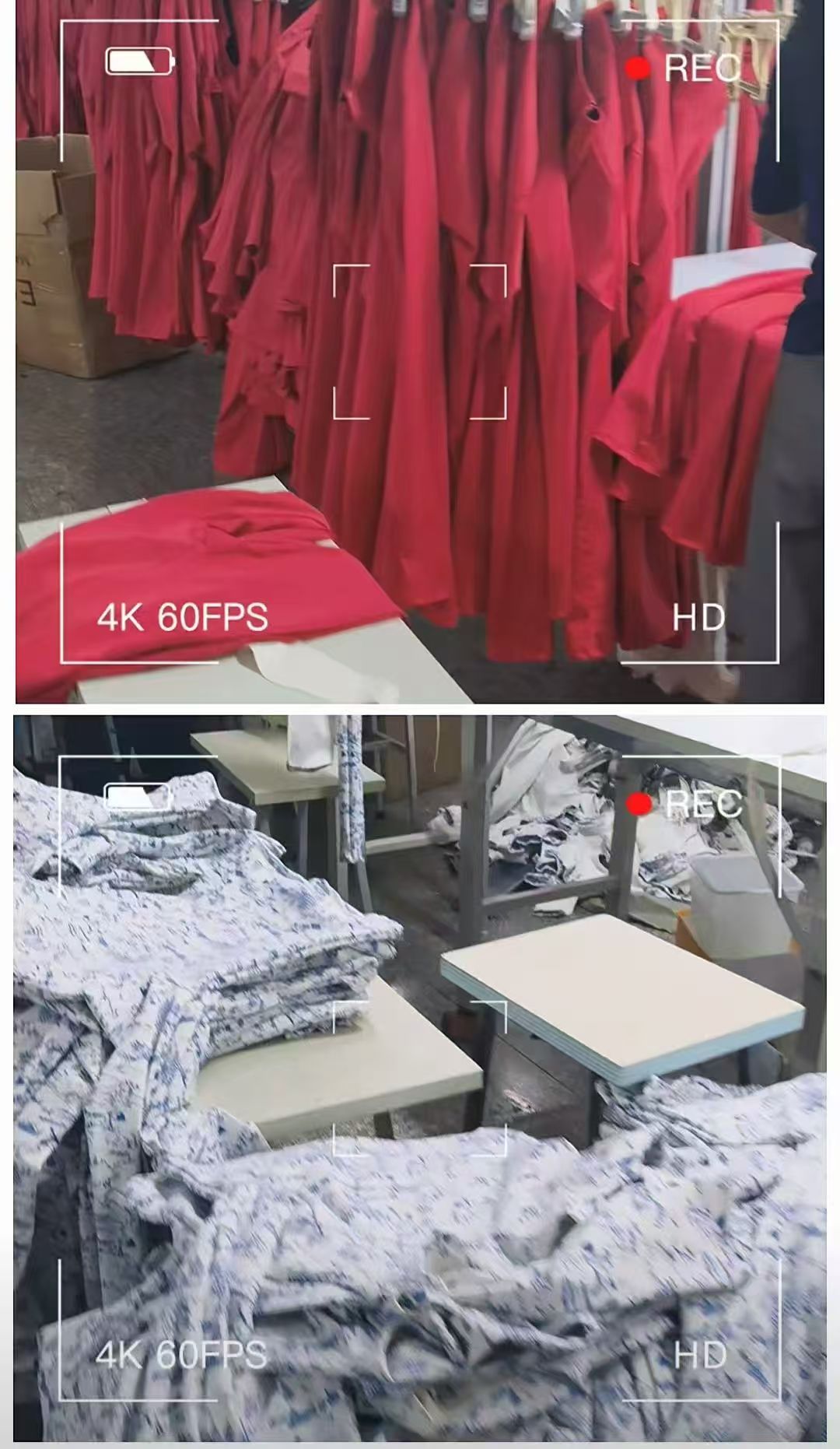
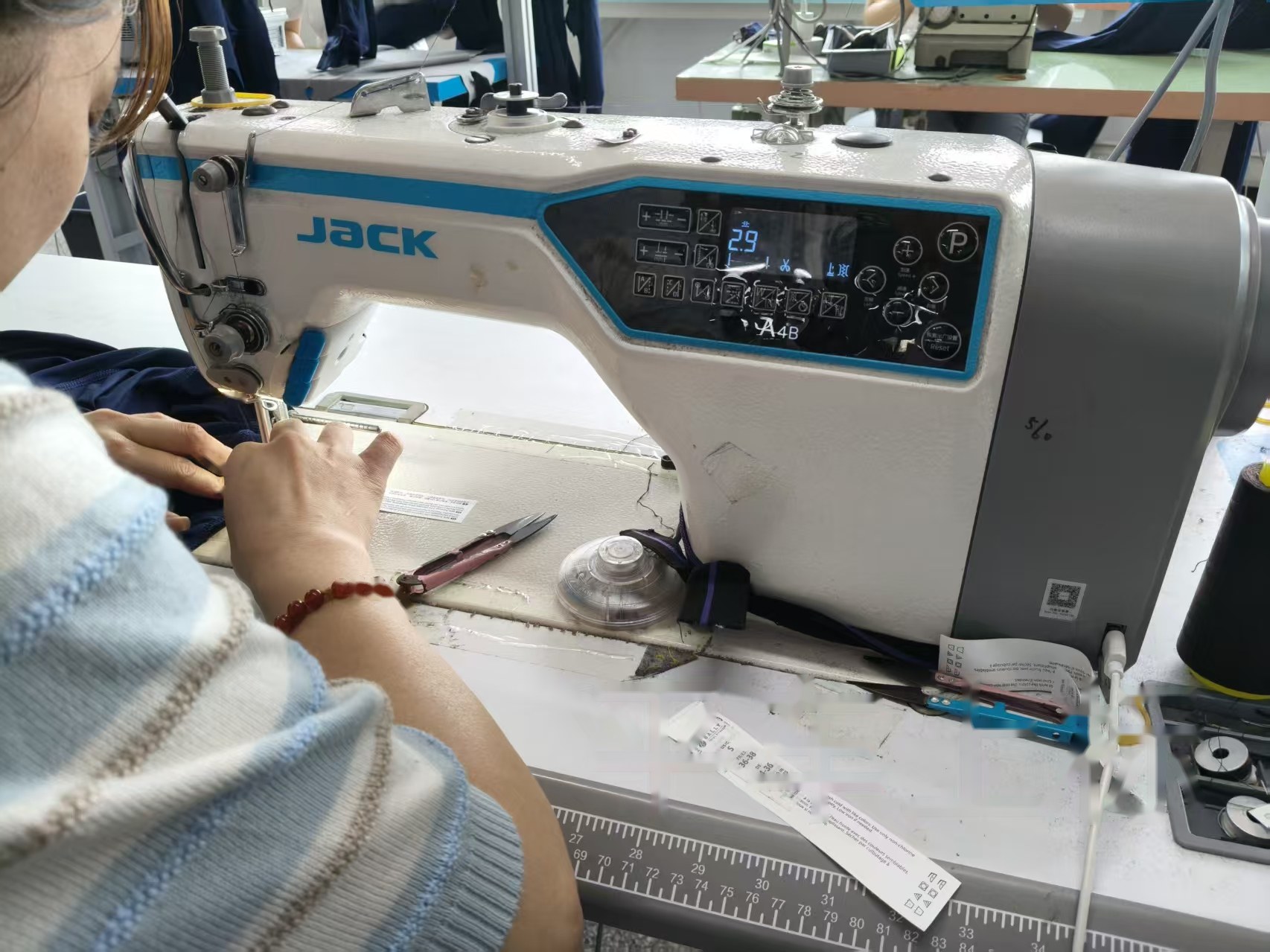
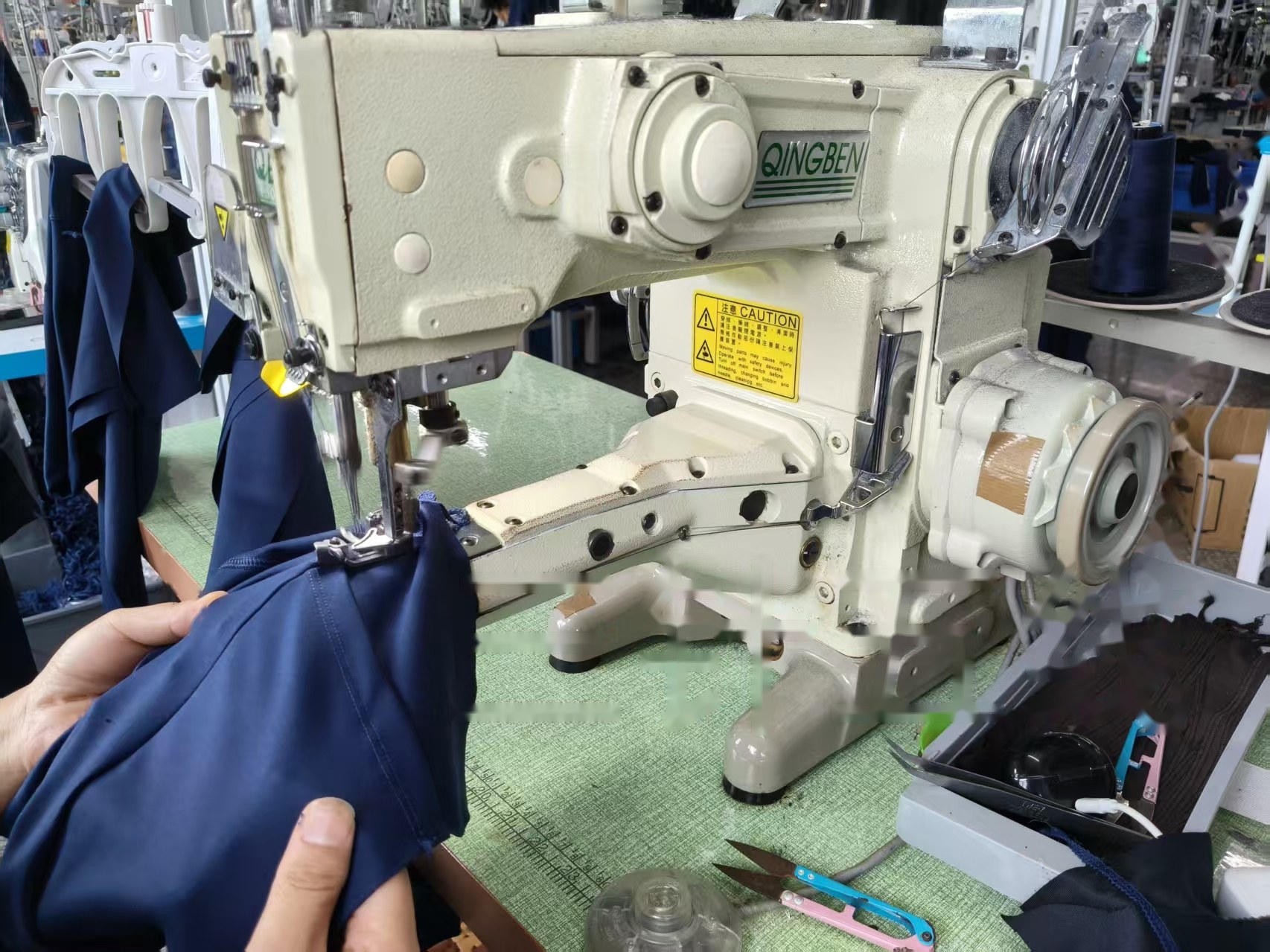
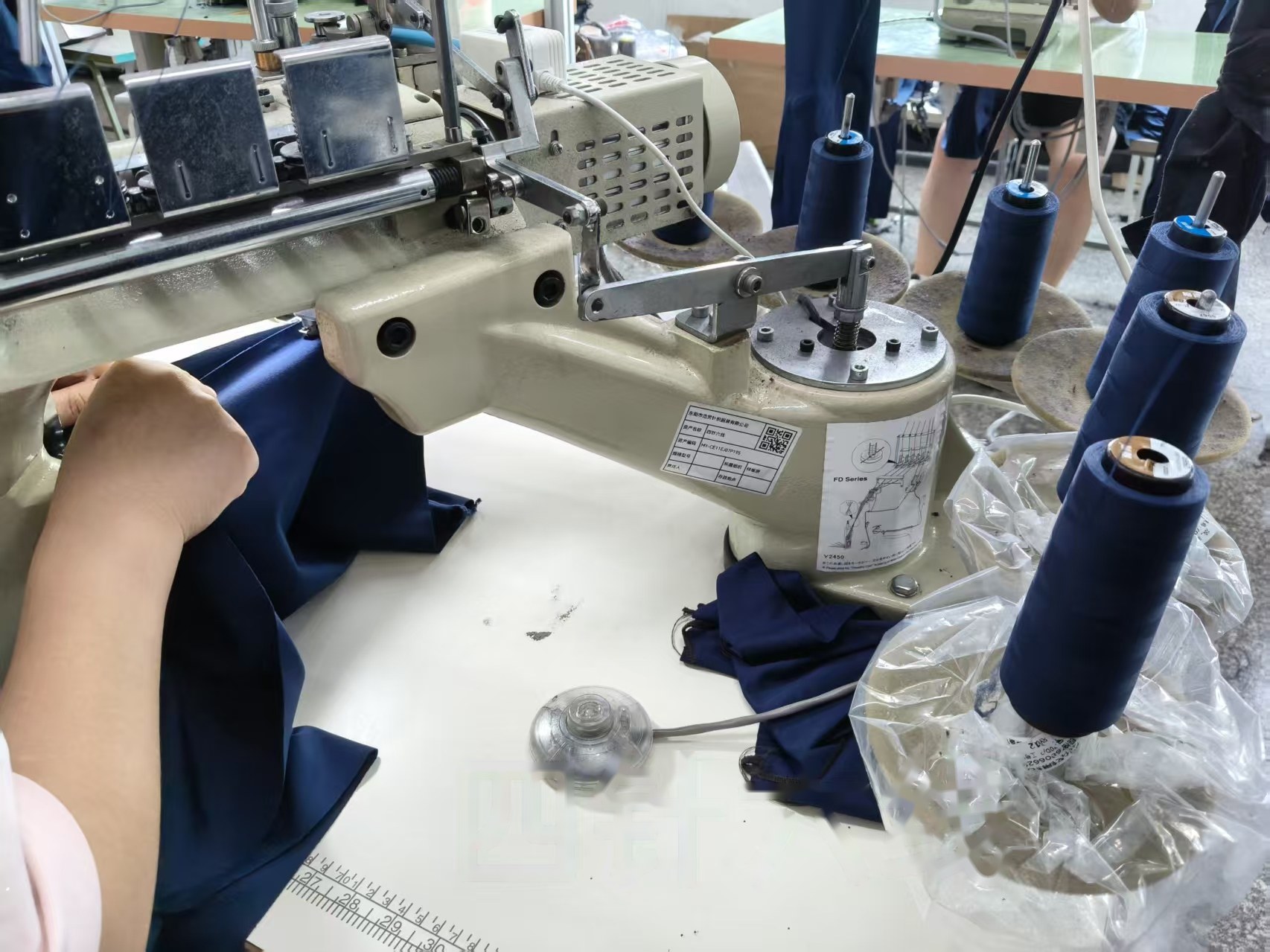
Flatlock, coverstitch, bartack - the same machines sew both lines. A factory that runs women's activewear well can sew men's; what you owe them is a real size set, not graded guesses.
Quality standards
Colorfastness, opacity, seam skipping - the inspection checklist carries over unchanged. Quality is not gendered.
What Breaks Without Rethinking
The pattern base
A men's body is not a scaled women's body, and it is not a straight-sized womenswear pattern either: shoulder-to-hip ratios, crotch depth and length, armhole geometry and sleeve pitch all differ. The block must be drafted from men's fit models - one clean block then graded, exactly the discipline the plus-size expansion requires, applied to a different body map.
Grading logic
Men's grading runs on different increment rhythm (chest-led rather than hip-led) and typically a longer size tail in both directions - XS through XXL is a normal commercial span. Waistband and rise engineering shifts too: men's training shorts and joggers live or die on rise and crotch room in motion, not on compression shaping.
Support and layering logic
Women's support engineering centers on the bra; men's centers on the liner short and the chest-to-waist drape of tops. If your capsule includes training shorts, the liner brief is the product - liner fabric, length, anti-ride leg grip - and it is new engineering for most womenswear teams.
The Commercial Shortcut: Start With One Style
The cheapest men's test is a single style with proven demand mechanics: a classic training short with a great liner, or a men's take on your best-selling legging silhouette (an increasing male studio audience wears them). One style, three colors, a full size set and a real fit session costs less than a rushed eight-style capsule that fits nobody. The restock planning logic applies: prove the fit, then deepen.
What to Ask Your Factory
Ask for men's blocks and a men's size set they have sewn before - most established activewear factories have them in a drawer. Ask which of your fabrics they recommend re-specced for men's cut (wider widths for larger panels change marker efficiency and can change fabric cost per unit). And ask for fit models on the men's side: fit sessions with real wearers at both ends of the size range are as non-negotiable here as anywhere.
The Brand-Side Details
Men's activewear buys on function photos and returns on fit - the same content discipline your womenswear line already runs, with sizing guidance that mentions waist and inseam explicitly. Label the capsule clearly, keep the aesthetic continuous with your brand, and let the first style earn the second.
Planning a men's capsule alongside your existing line? Send us the styles you have in mind - we will draft the blocks, sew the size set and fit-test before bulk, using the fabric library you already trust. info@misskyoga.com or WhatsApp +86 136 4085 9182.