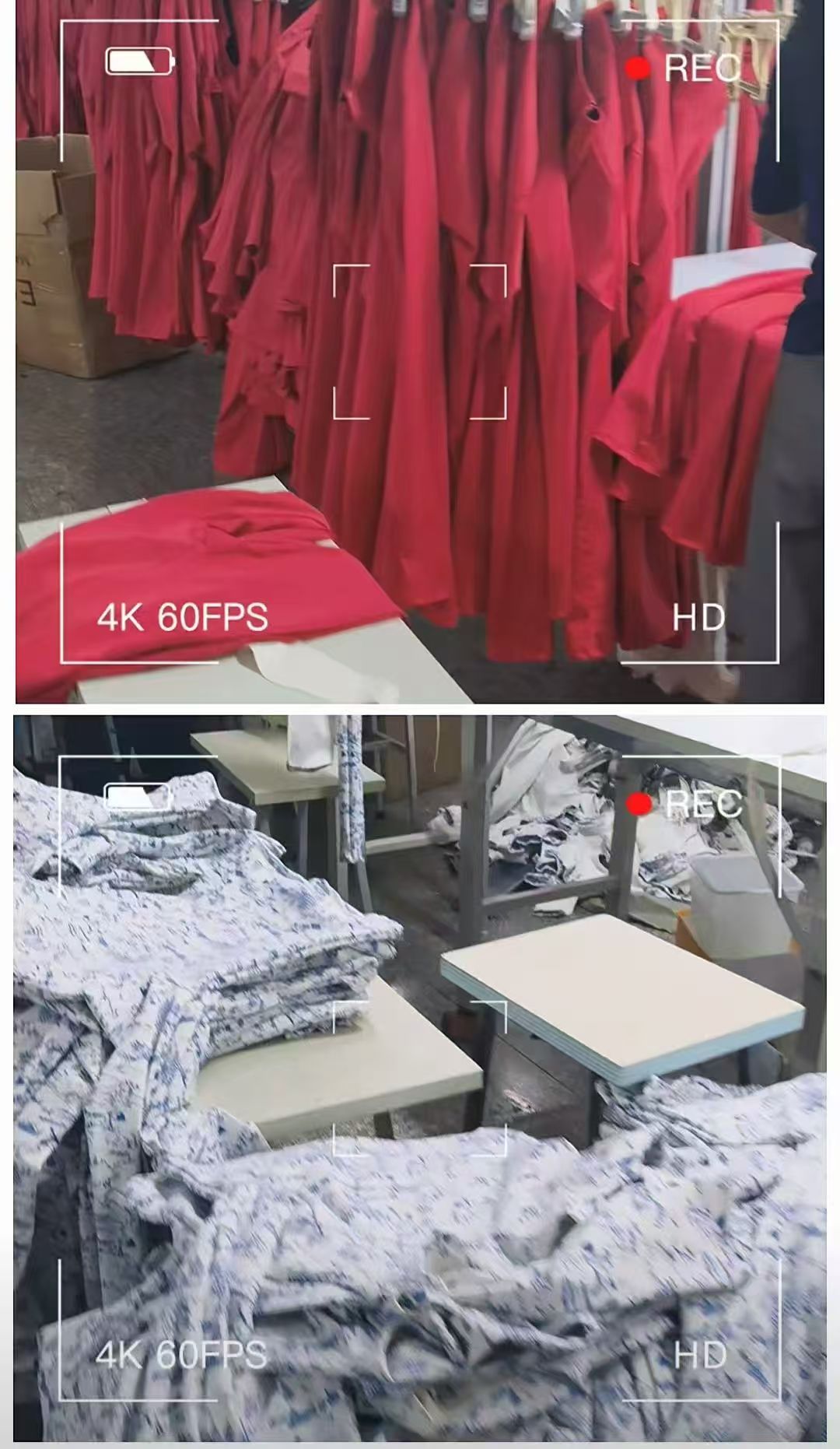
Craftsmanship & Quality
Can a Garment Factory Really Skip Final Inspection and Pressing? Our Quality Culture, Explained
A team leader said our line can run inspection-light and ironing-free. She did not mean skipping QC - she meant fixing problems at the machine instead of at the ironing board. How that culture works.
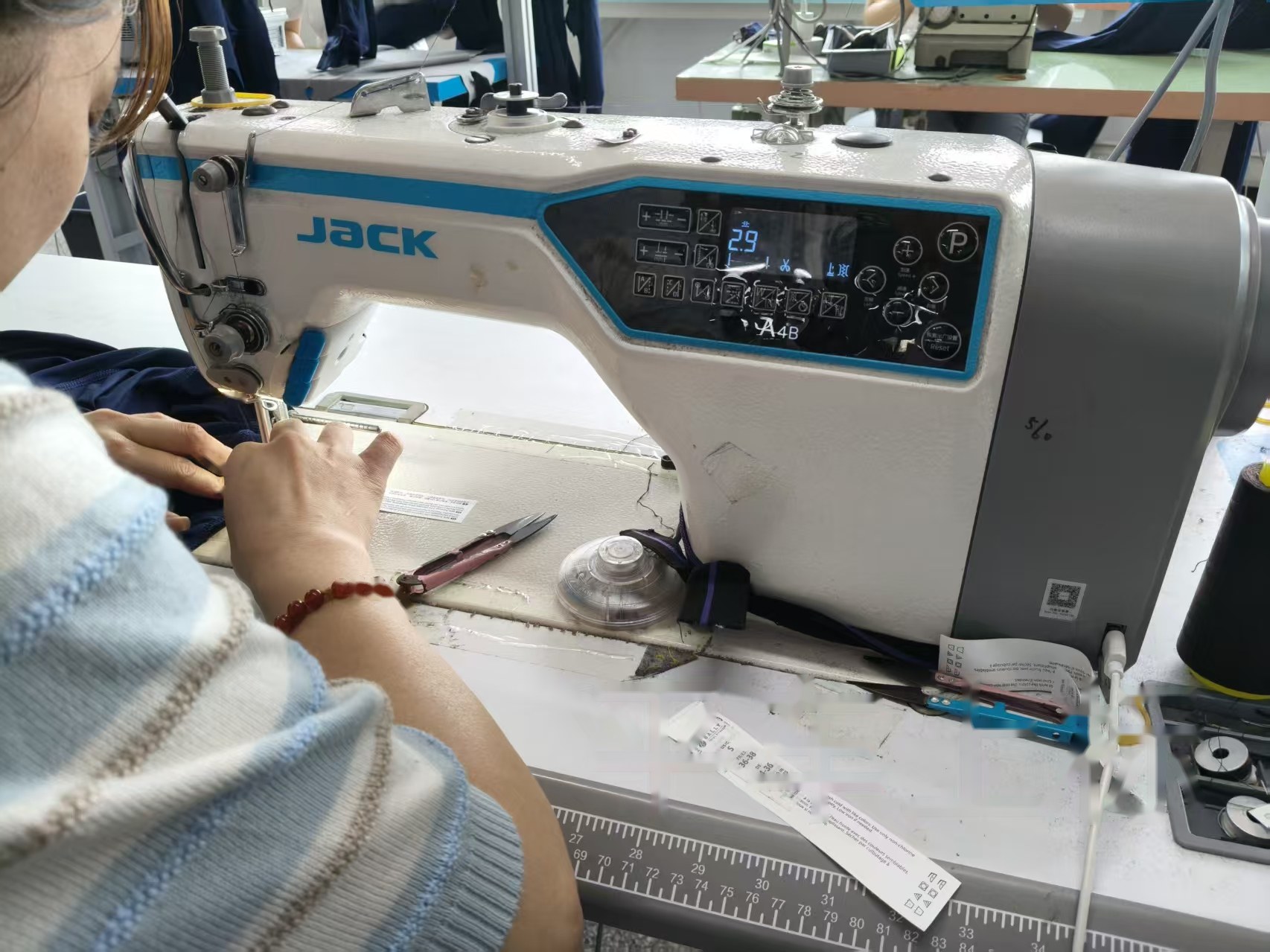
Last week, on our production floor, a supervisor and a line technician were discussing a pant with a small problem: the hem was rippling - a waviness at the leg opening that pressing would need to fix. The fabric was right, the pattern was right, the workmanship was fine. The technician's diagnosis took thirty seconds: adjust the stitch density at the hem to 0.6 and the ripple disappears. Fix it at the machine, and the pant never needs the iron at all.
That conversation produced a line worth writing down: this team's output can run with less final inspection and less final pressing. One sentence, endlessly misunderstood - so here is what it actually means, because it is the difference between a factory that hides problems and a factory that prevents them.
Ironing-Free Means Fixing Problems, Not Hiding Them
Garments need pressing for two very different reasons. Some pressing is genuine construction: pleats must be heat-set, certain seams must be opened and formed. But a large share of final pressing is remediation in disguise - ripples at hems, uneven seam allowances, light wrinkling from rough handling. Those are production defects wearing an iron's disguise. Press them flat and the shipment looks fine; the seconds of labor are still spent, on every garment, forever.
The alternative is to ask why the ripple exists. A hem that ripples is a feed-tension or stitch-density conversation with the operator who sews that hem - solved once, at the machine, and then never pressed again. That is what ironing-free means here: not less care, but fewer defects to iron away.
Inspection-Free Means Quality Moved Upstream, Not Removed
The honest version of inspection-free is built on an uncomfortable observation: when upstream steps do not own their quality, the final inspector becomes the factory's quality system - finding, sorting and returning defects that three earlier stations could have caught for free. Final inspection becomes remediation, and remediation does not scale.
The moving-parts version looks like this. The operator self-checks each piece before it leaves the station. The team leader runs process checks through the shift and - this is the part we hold onto - every style's semi-finished pieces get a full group inspection before they move downstream. If a defect appears mid-line, the line stops, the cause is fixed, and only then does production continue. Each team runs the detail slightly differently; the principle does not vary: no defect knowingly moves to the next station.
What Production Can Actually Go Wrong
The reason this culture matters is that garment making is full of variance no drawing can fully pin down: fabric shade variation and flaws between rolls, cutting deviations, skipped and broken stitches, left-right asymmetry, print and logo placement drift, and the quiet classic - bulk production drifting from the approved sample. A factory that pretends variance does not exist just discovers it late, at final inspection, when fixes are most expensive. A factory that assumes variance will occur builds its checks where the variance actually happens.
The Five Systems Behind the Slogan
First-article confirmation
Every style, every machine setup, every shift change: the first piece is checked and approved before the run continues. Most mass defects die right here.
Self-check and mutual check
The operator owns their output; the next station checks what it receives. Two pairs of eyes per seam, none of them called an inspector.
Key-process control points
Certain operations - elastic attachment, zipper plackets, gusset joins, bartacks - get named checkpoints with named owners. The critical few, watched always.
Sample-to-bulk consistency management
The approved sample is a contract. Where bulk must match it, the comparison happens at inline stage, not at packing.
Risk-based final sampling
Inspection-free never means inspection-none. Finished goods still get a statistical audit - lighter, because upstream checks caught what they should, but present. Mid- and high-end garments earn their final audit; we would not ship without one.
Why Buyers Should Care
The commercial translation is simple: a factory that prevents defects spends its labor on sewing, not on rework and rescue pressing - and the savings show up as stable lead times, consistent quality across the run, and prices that do not need a remediation margin hidden inside. The quality culture is why our inline checks catch zipper plackets and hem ripples the day they appear, and why sampled-out problems do not reappear at your customer's door.
Curious what our quality culture would look like on your styles? Send us a reference garment - we will walk you through the checkpoints per operation, and you are welcome to visit the floor and watch a first-article confirmation happen. info@misskyoga.com or WhatsApp +86 136 4085 9182.