Oct 22, 2026Material Science
How to Read a Fabric Spec Sheet Before Bulk Production
Seven fields that decide whether your yoga wear fabric matches the sample - composition, weight, structure, finish, width, testing and the retained swatch - how to read each and what to challenge.
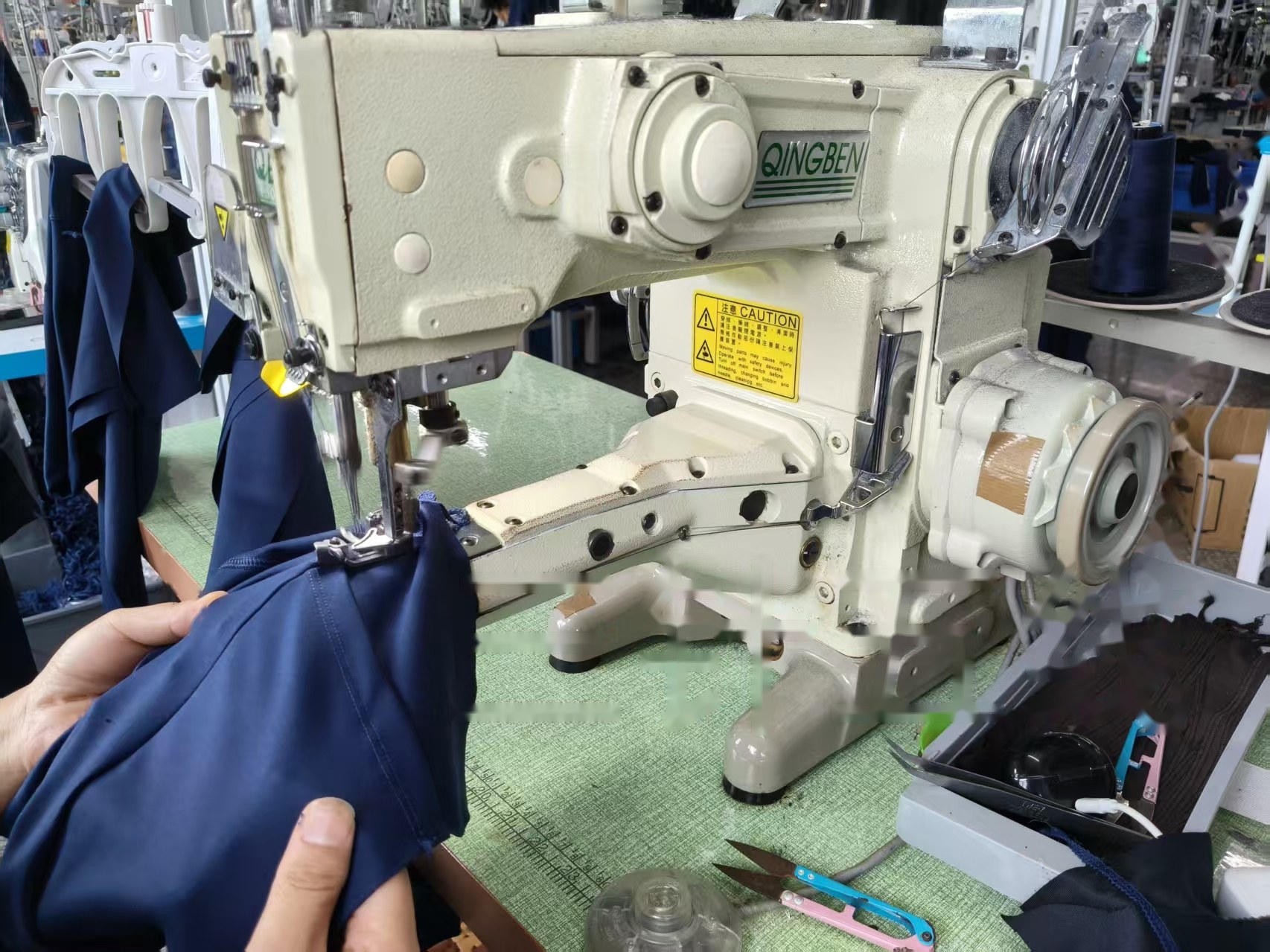
A fabric spec sheet is one page that decides whether your yoga wear fabric matches the approved sample - or whether your second order arrives as a different fabric wearing the same name. Between "soft nylon-spandex" and a real production order sits the most underrated document in activewear sourcing. It takes twenty minutes to write well, and it quietly decides whether your leggings feel the same in month six as they did in the sample.
I reconcile spec sheets against delivered fabric every week. The brands that write them properly get what they asked for; the brands that write "same as before" get a lottery ticket. Here is the page, field by field.
Field 1: Structure - the One Most Buyers Skip
Structure is how the fabric is knitted: jersey, rib or interlock (with sub-variants like 2x2 rib). It is the single biggest determinant of how a fabric behaves - opacity, grip, recovery, drape - and it is the field most spec sheets omit entirely. The mechanics are explained in the knit structures guide.
Two fabrics can share composition and weight and still differ wildly because one is a loose single jersey and the other a dense interlock. Name the structure, and you have eliminated the cheapest way for a reorder to quietly change.
Field 2: Composition, With the Spandex Exact
Composition is the fiber breakdown: for premium yoga wear, typically a nylon-spandex blend around 75/25. Write it precisely - "75% nylon / 25% spandex" - and require the mill's composition sheet for the lot if the order is large enough to justify it. The spandex number deserves respect: below 20%, garments lose recovery and bag at the knees; far above 25%, they run tight and rubbery.
Field 3: Weight (GSM) - With a Tolerance
Weight is grams per square meter, and it predicts opacity and compression better than any other number. What most sheets miss is the tolerance: knitted fabric varies slightly lot to lot, so spec it as a range - "240-260 gsm" or "250 gsm +/- 5%" - and agree in advance what happens outside it. A weight without a tolerance is a wish. A weight with a tolerance is a contract.
Field 4: Finish - the Hand-Feel Line Item
Finish covers what happens to the surface after knitting: brushed (single or double face), smooth, heat-set, anti-pilling treated. This is where "buttery" becomes a spec instead of an adjective - the difference between a brushed and unbrushed knit is explained in the brushed versus unbrushed guide. Finish matters doubly on reorders: brushing depth is a machine setting, and lots drift.
Field 5: Width and Yield
Fabric comes on rolls of a specific width (commonly 140-165 cm for these knits), and width determines yield - how many garments a kilo of fabric produces. Suppliers quote per garment or per kilo depending on the market, and mismatched width assumptions are a classic hidden cost in quote comparison. Write the width.
Field 6: Testing Requirements
State what the fabric must survive: stretch and recovery (the snap-back behavior), shrinkage after two wash cycles, colorfastness to washing and to light, pilling resistance for brushed finishes. If your market requires certification (OEKO-TEX, GRS), reference the standard and require the certificate number before shipment - the certifications guide covers what each standard does and does not prove.
Field 7: The Reference Swatch
The most powerful line on the sheet is the last one: "reference: retained swatch from approved lot, attached." A physical standard turns every future dispute into a side-by-side comparison instead of a debate about adjectives. Keep your reference swatch pinned to the order file - physically, not in a photo - and reference it in every reorder.
Common Questions
Do I need a spec sheet if my supplier already knows the fabric?
Yes - the sheet is less for their memory than for your reorder's protection and for price comparability across suppliers. Knowledge leaves factories; documents do not.
What tolerance is normal for gsm?
+/- 5% is a workable commercial tolerance for knitted fabric. Tighter is negotiable at a price; looser is where quality drift starts.
How do I verify the sheet was honored?
Three checks: weigh a swatch (a small square and a kitchen scale get you close to gsm), run the stretch test against your retained reference, and compare hand-feel side by side in daylight. Discrepancies go back with the swatch attached.
One Page That Compounds
Every line you write on that page removes a decision someone else would have made for you. Seven fields, one retained swatch, twenty minutes - and your fabric stops being a hope and starts being a specification.
Spec sheets are standard practice on every order we coordinate at Miss K - structure, composition, weight, finish, tolerances and retained references, reconciled at delivery. If you want your current fabrics turned into proper specs, that is a fast piece of work: info@misskyoga.com or WhatsApp +86 136 4085 9182.