Ribbed, Interlock or Jersey: Knit Structures for Buyers
The three knit structures behind most activewear - jersey, rib and interlock - what each does to stretch, opacity and look, and how to name the right one in your fabric spec.
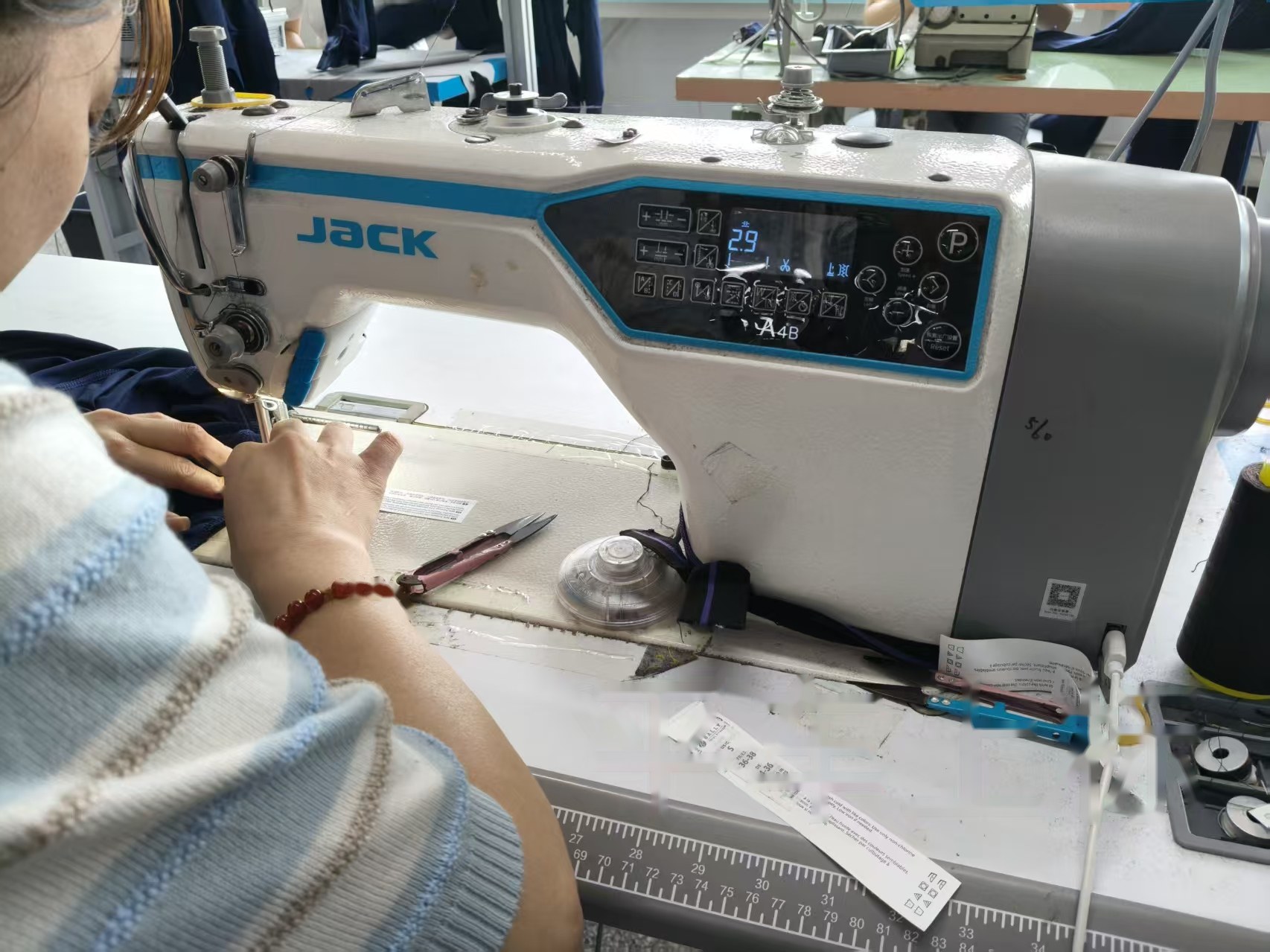
The three knit structures behind most activewear - jersey, rib and interlock - what each does to stretch, opacity and look, and how to name the right one in your fabric spec.
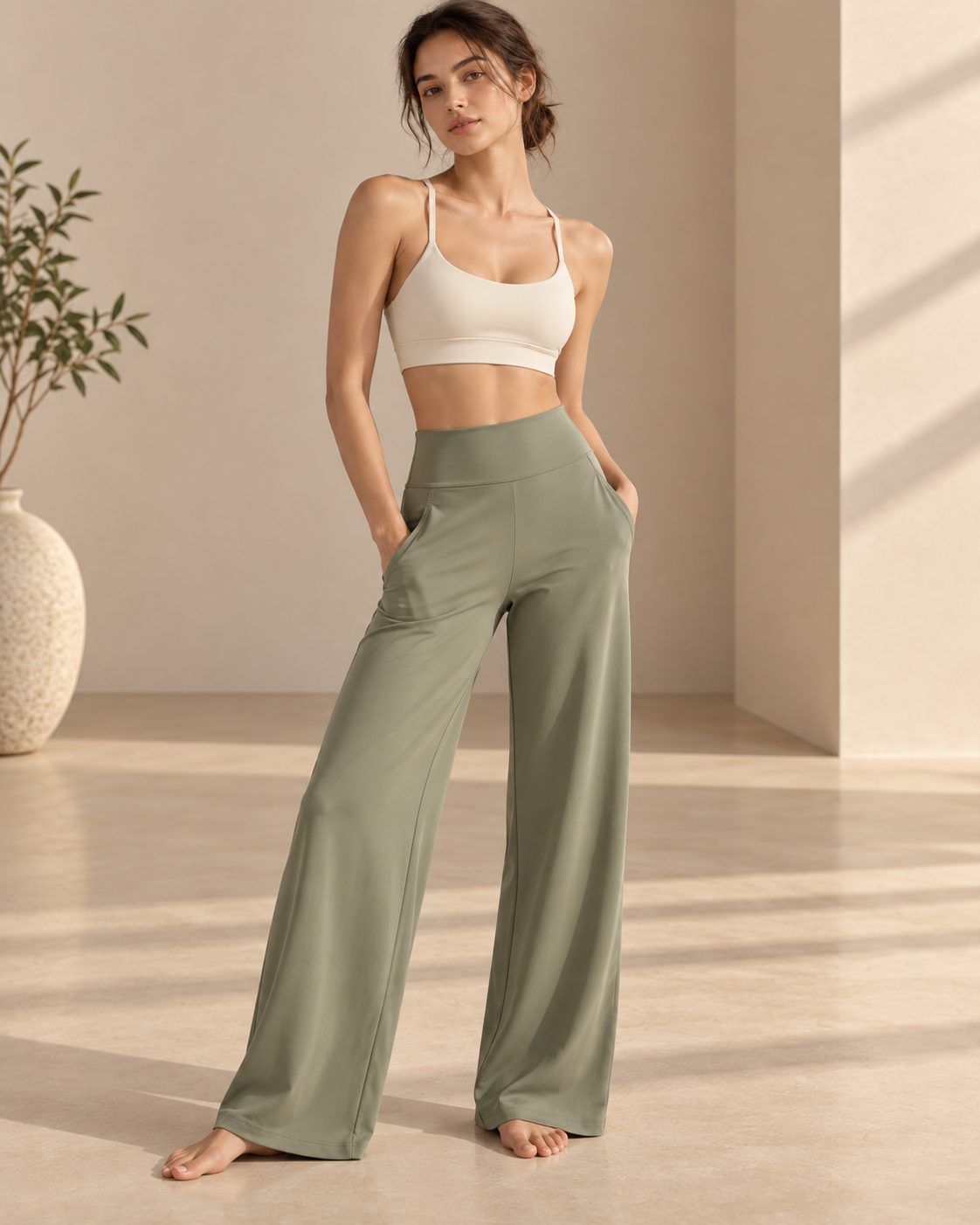
The signals that say your line is ready to grow, and the order to add styles in: fabric families first, proven patterns second, new categories last - with the cost logic behind each step.

The seven fields a activewear fabric spec actually needs - structure, composition, weight, finish, width, testing and tolerances - and the phrases that make suppliers take it seriously.

The 5-color launch architecture - two cores, two neutrals, one wildcard - and the cash math that explains why color count, not style count, is what breaks first collections.

The eight sections a first tech pack actually needs, the three things first-time founders over-specify, and how a lean 8-page pack gets better samples faster than a 40-page one.

How high-performance sports pants are engineered step by step: pattern, seams, waistband and gusset choices that decide comfort, recovery and durability.

The complete sourcing guide for yoga and activewear brand founders: production routes, supplier vetting, fabrics, sampling, MOQ, QC and shipping - written from Guangzhou, not from a sales deck.

A practical guide for activewear founders designing a focused 8-piece collection that performs on the reformer carriage and the yoga mat using a single 75/25 nylon-spandex fabric family.
Why stitch density decides how a sports bra holds up over months of wear - and the micro-dense stitching standard we apply before bulk production ships.
Flare pants are back. How to choose between foldover, high-rise and yoga flare silhouettes for different body types - and what to check before you sample.